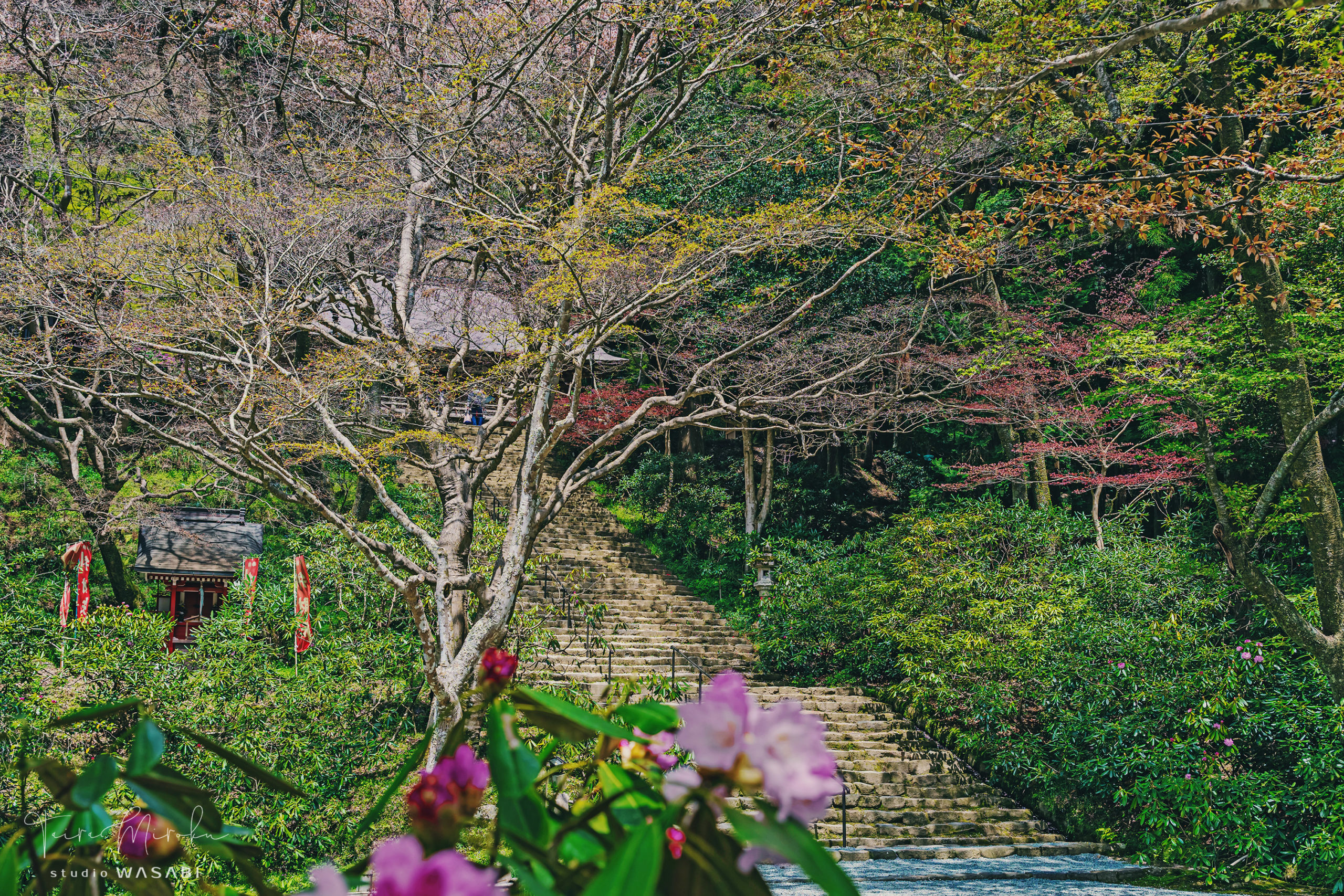
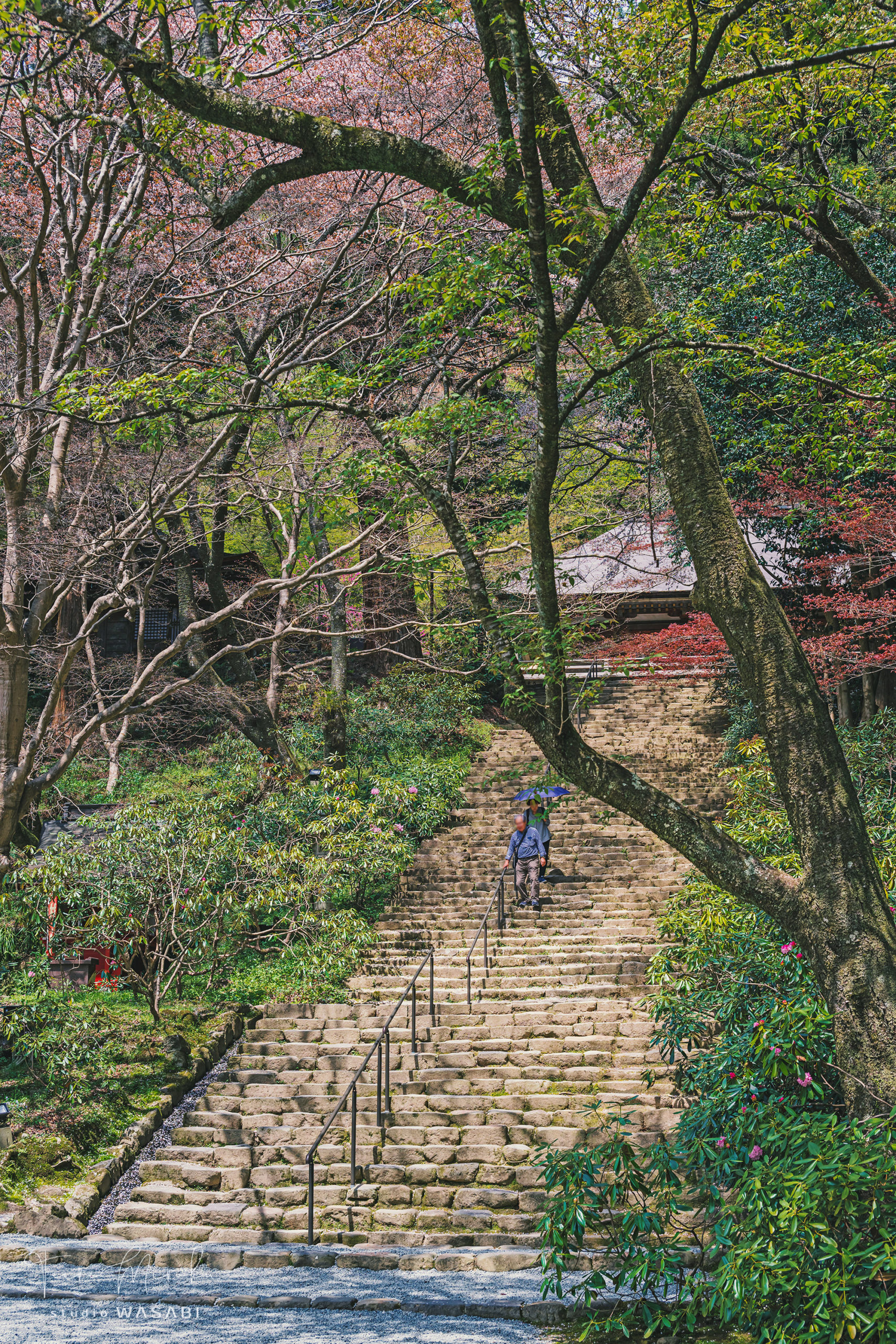
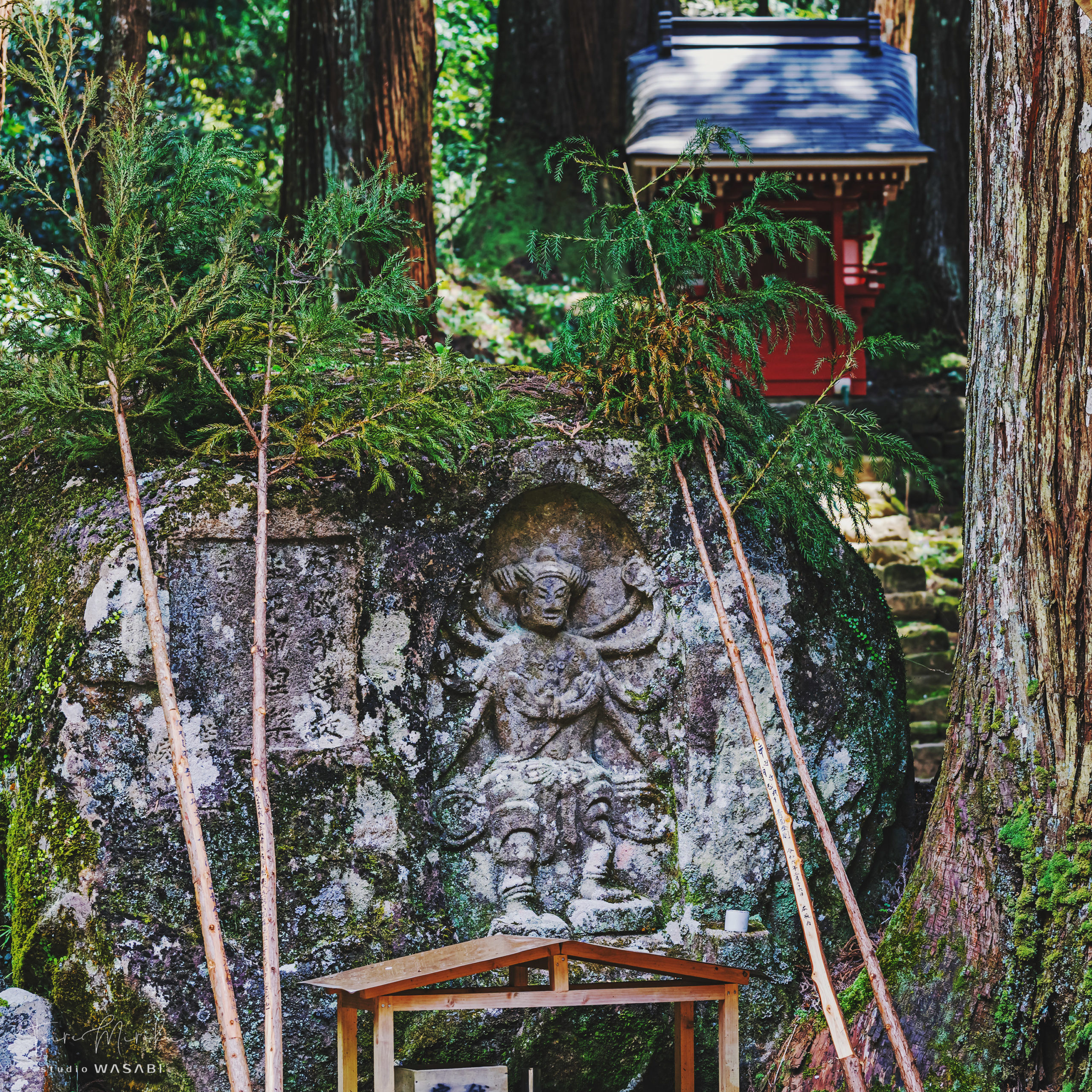
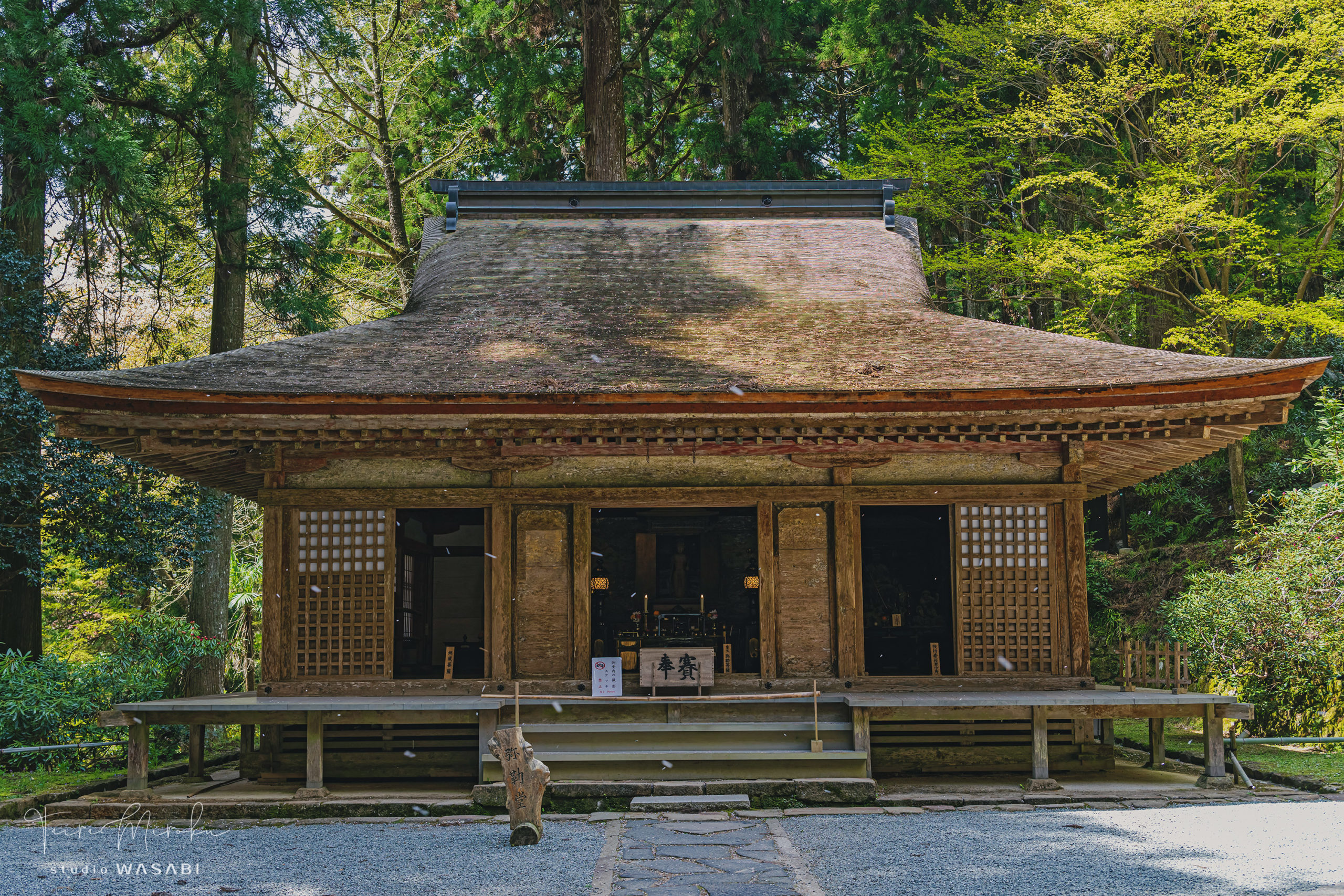
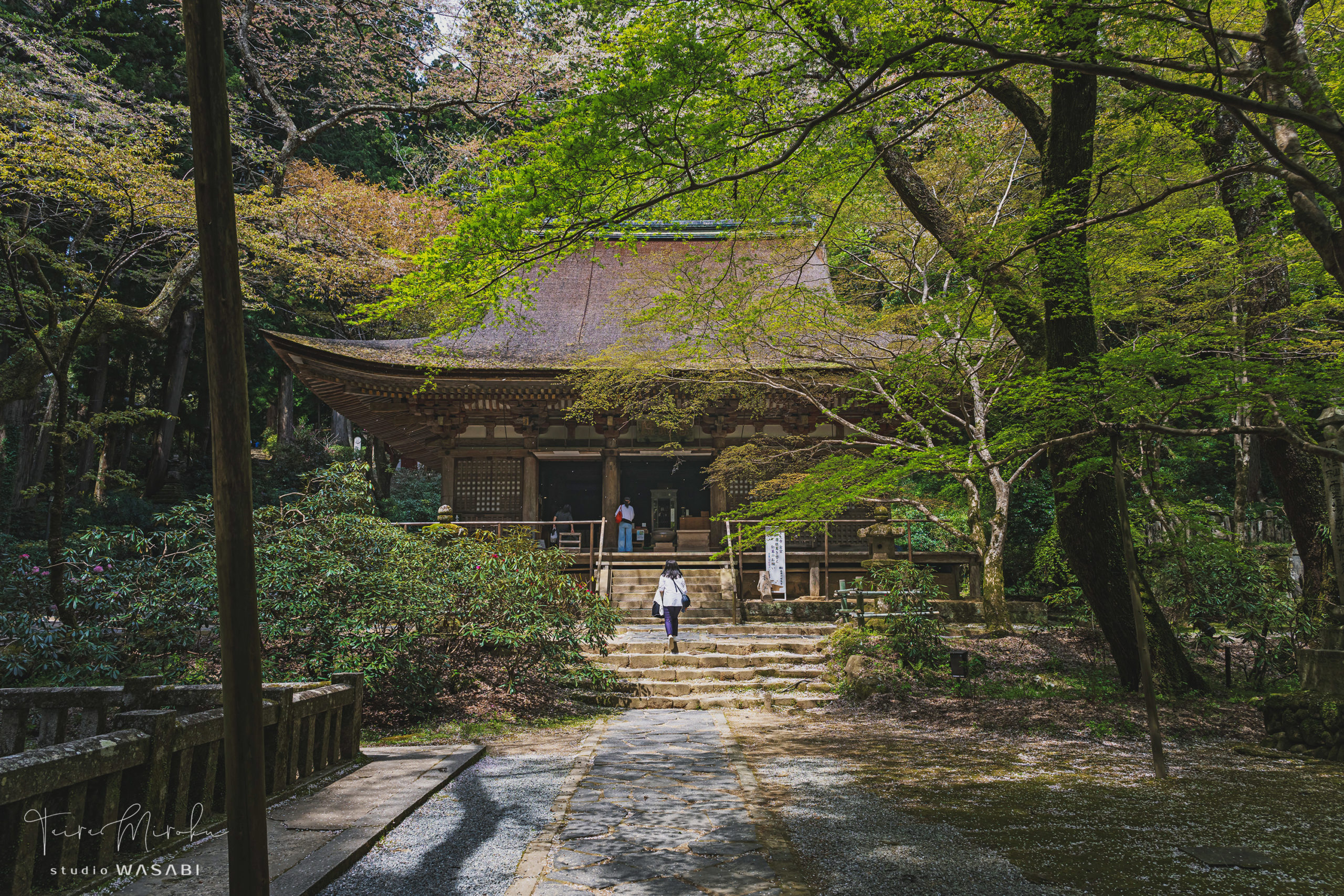
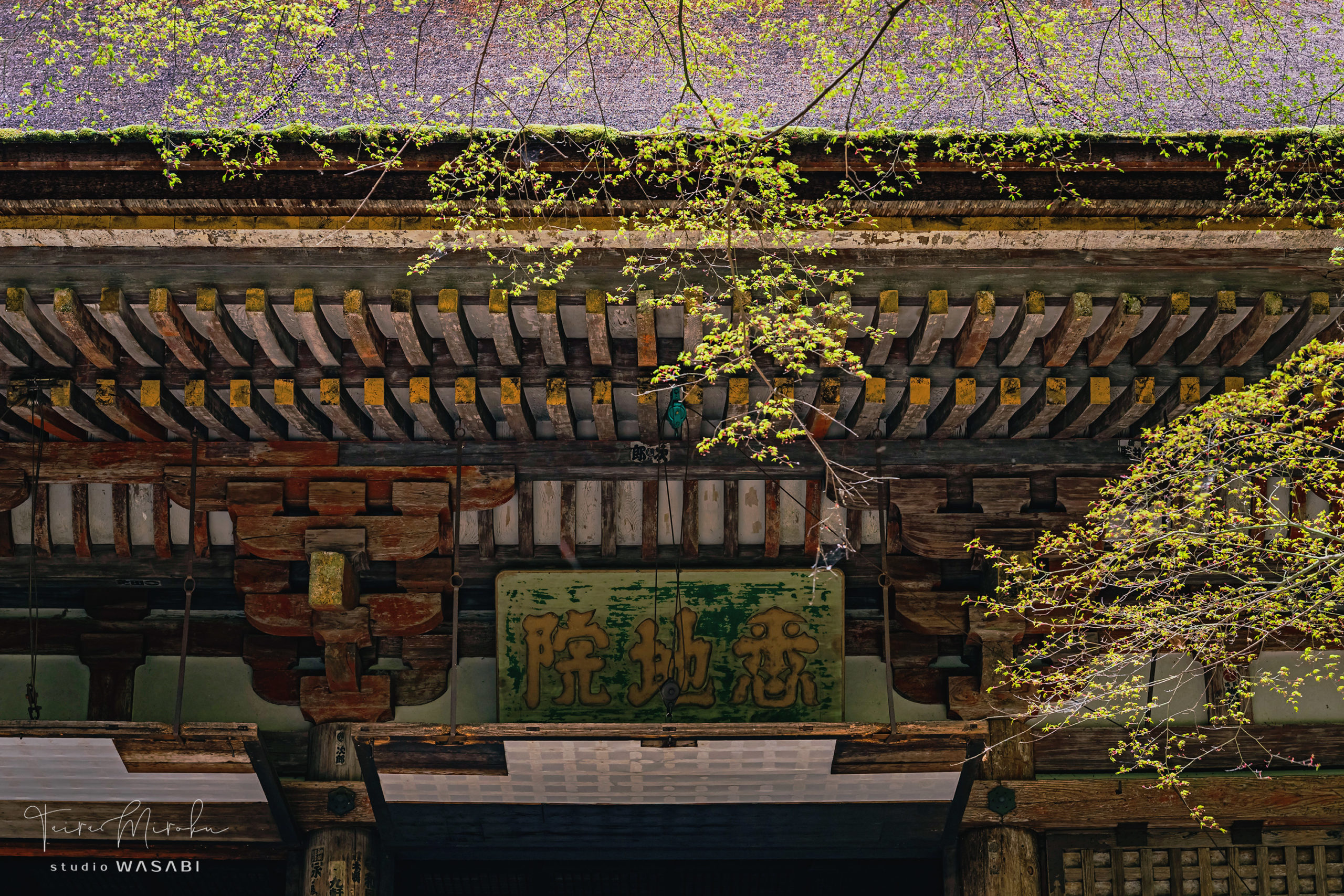
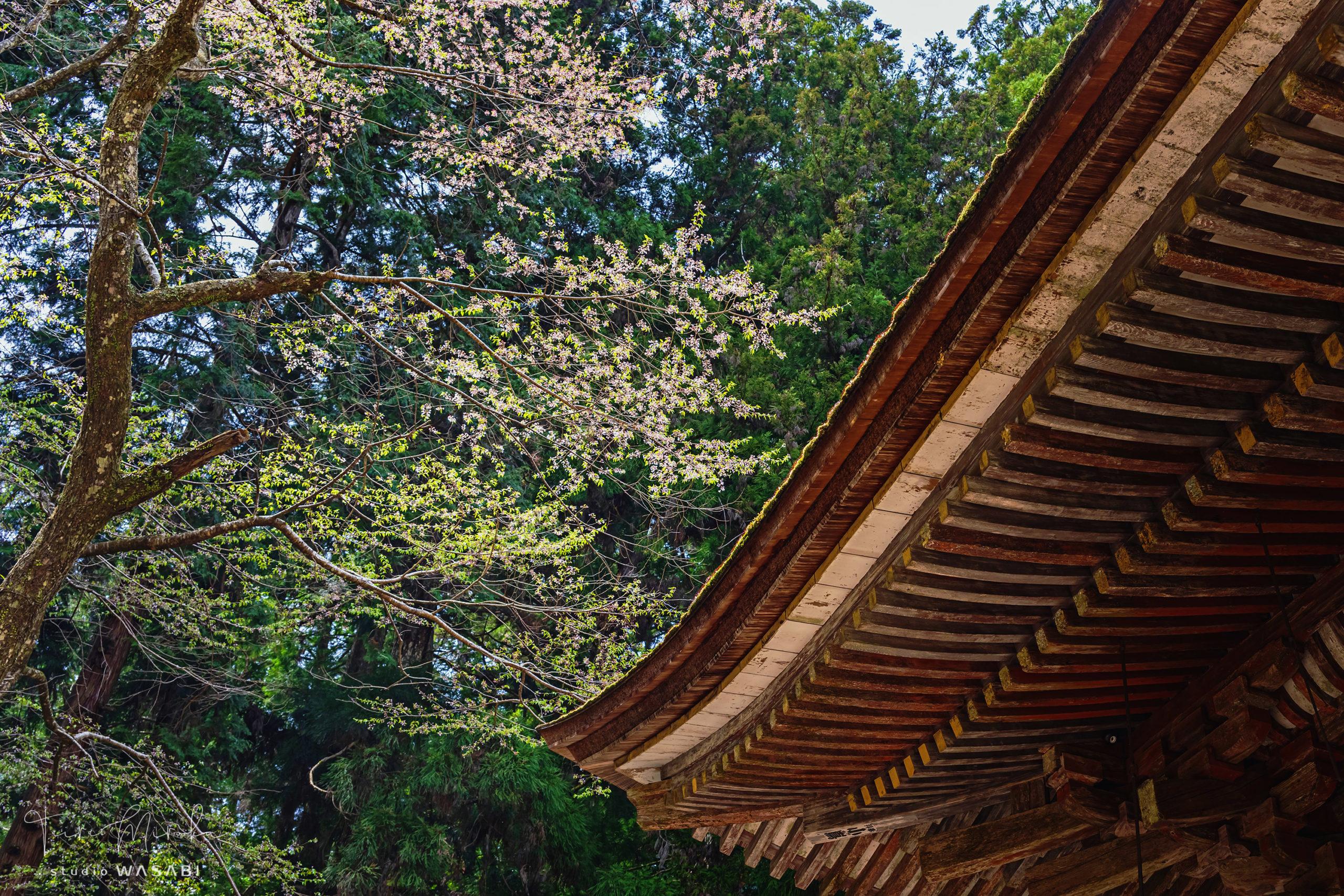
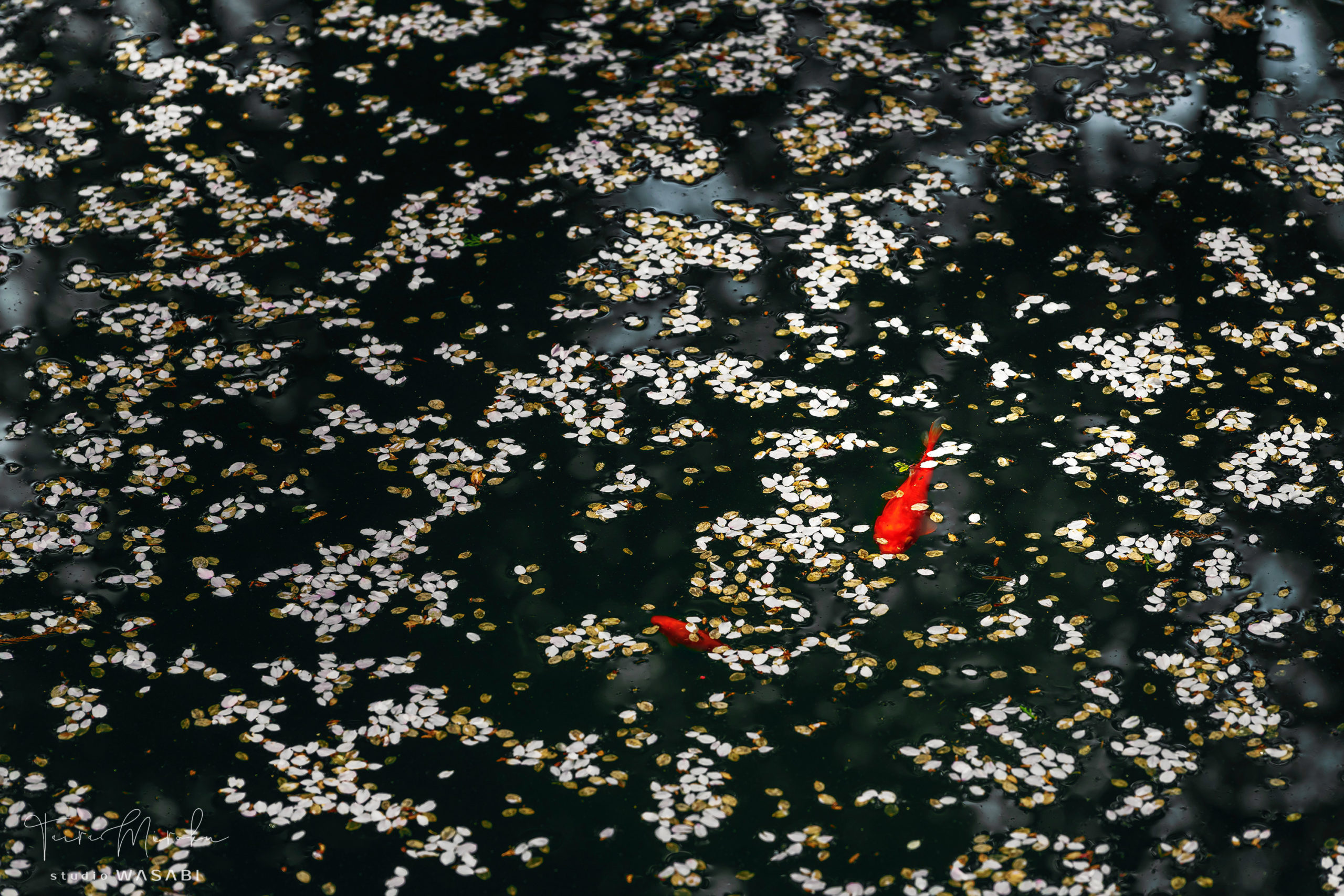
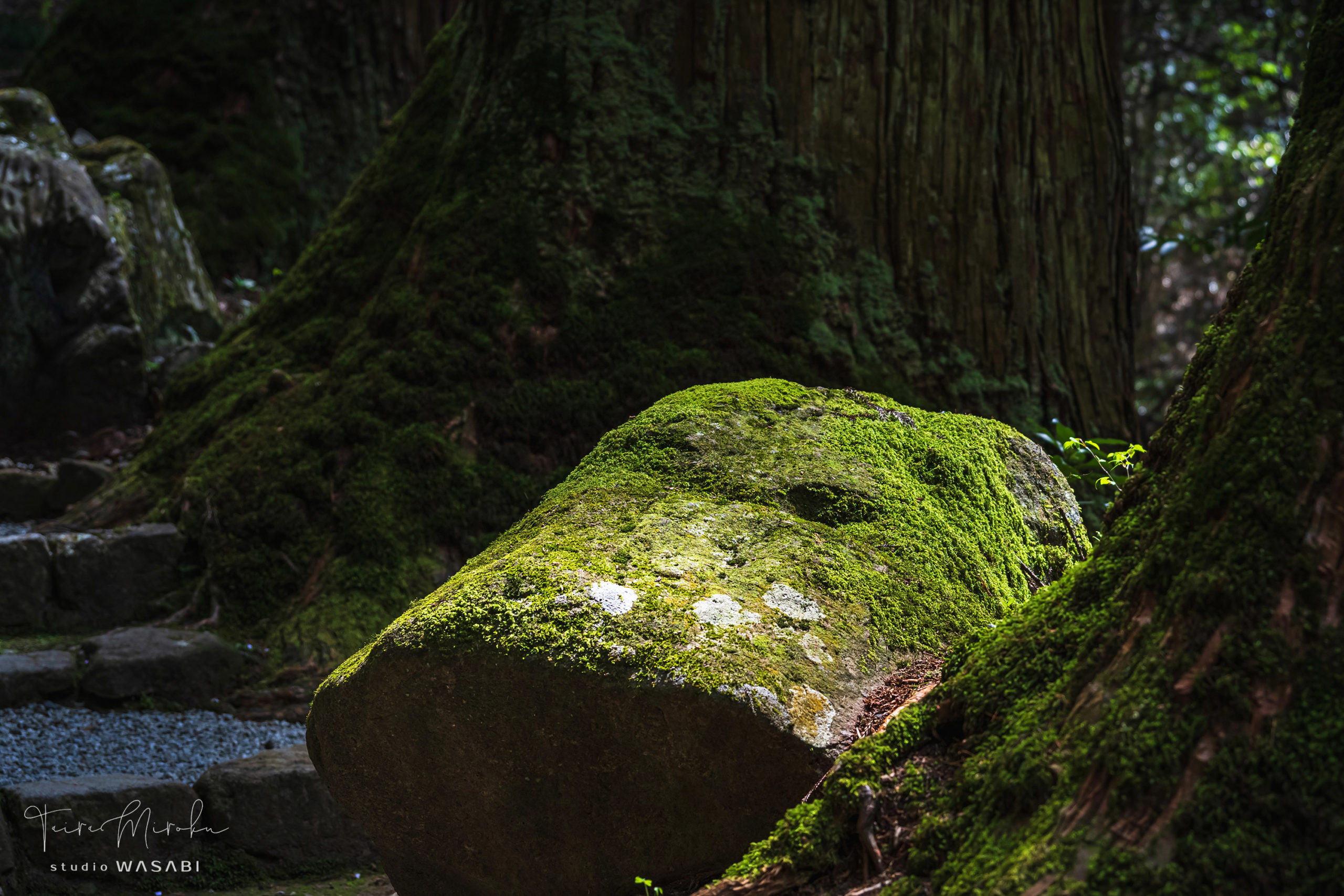
Spring scenery of Muroji Temple / Uda City, Nara Prefecture
室生寺春景色
四季を彩る女人高野
— Mountain Temples Adorned with Seasonal Color
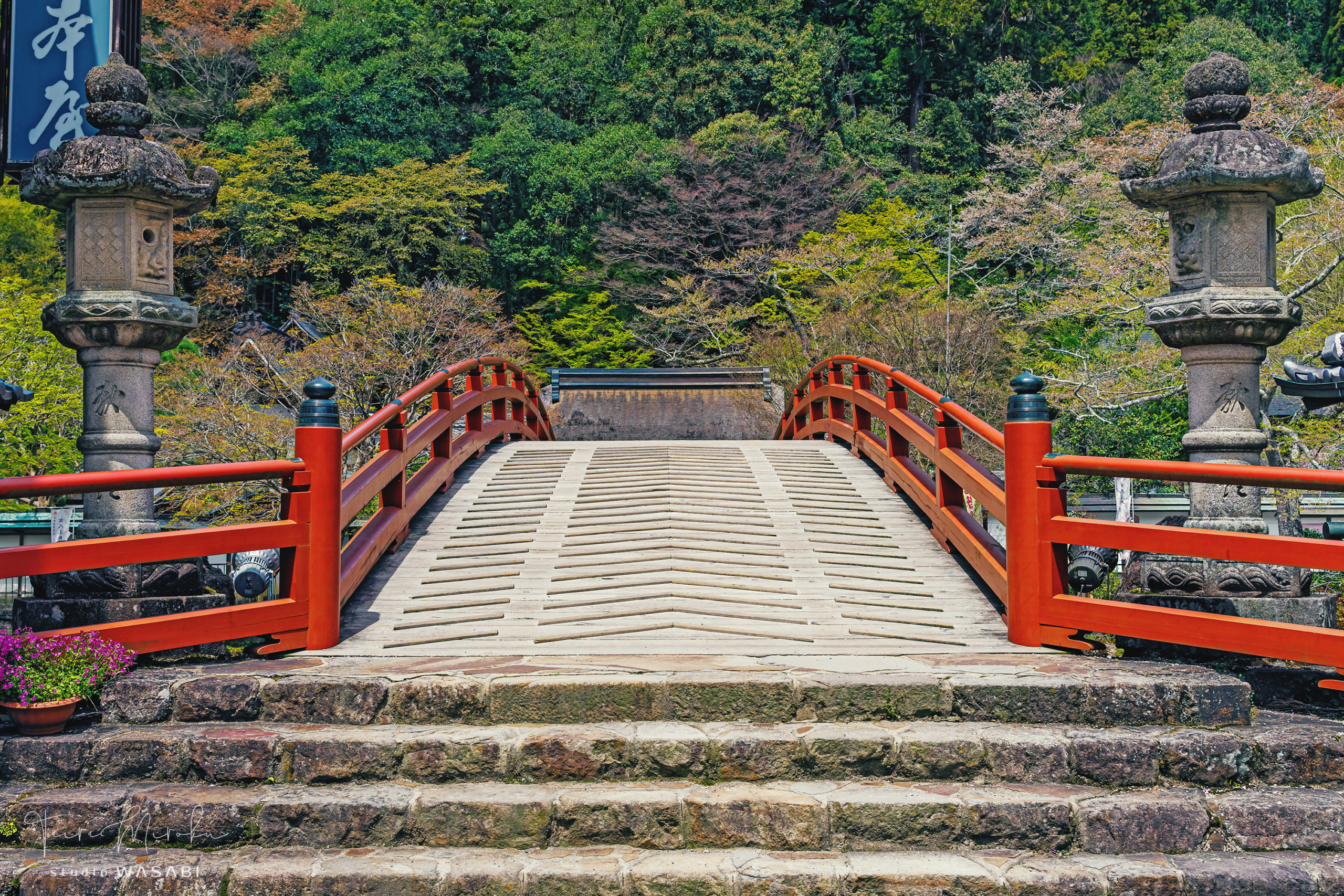
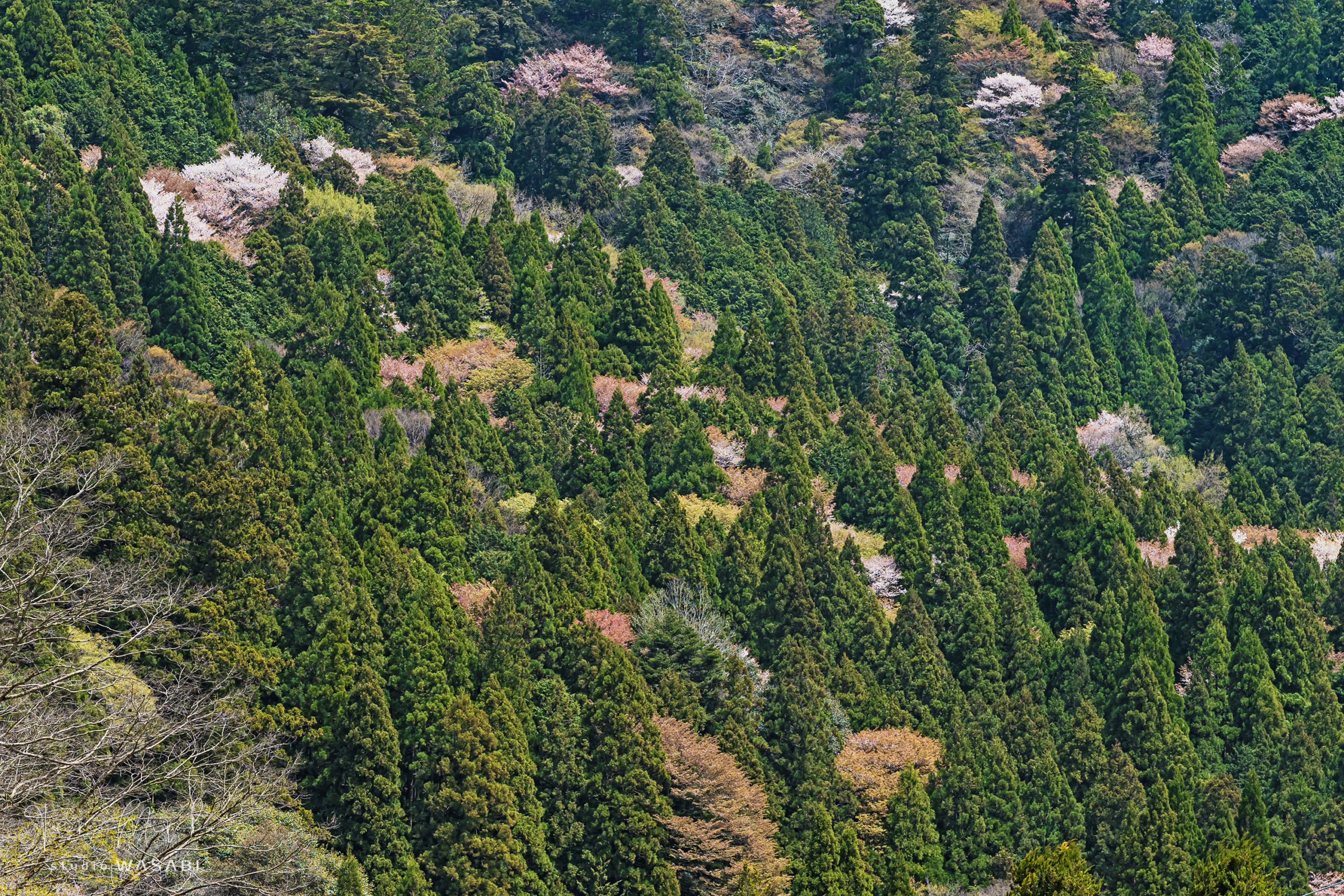
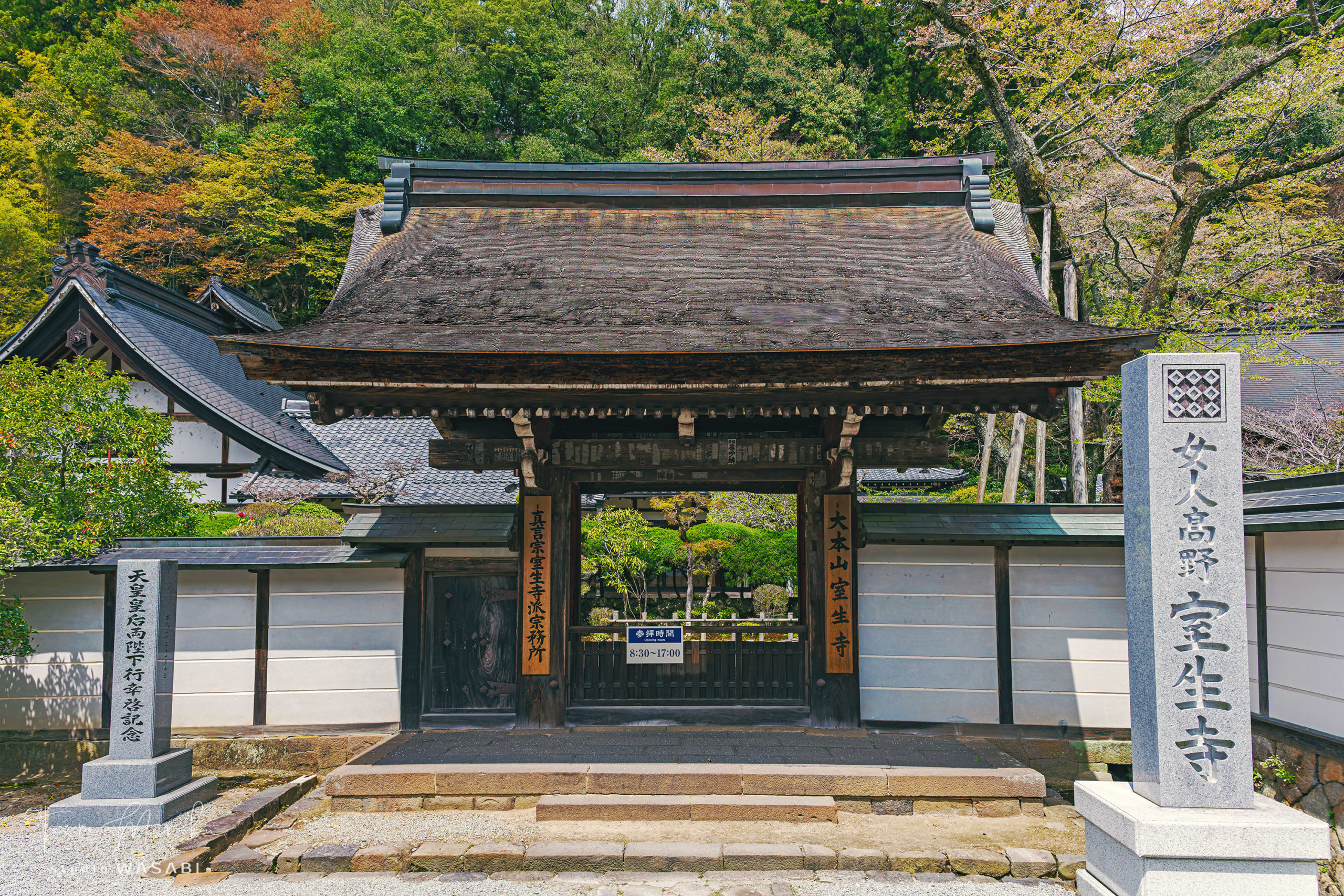
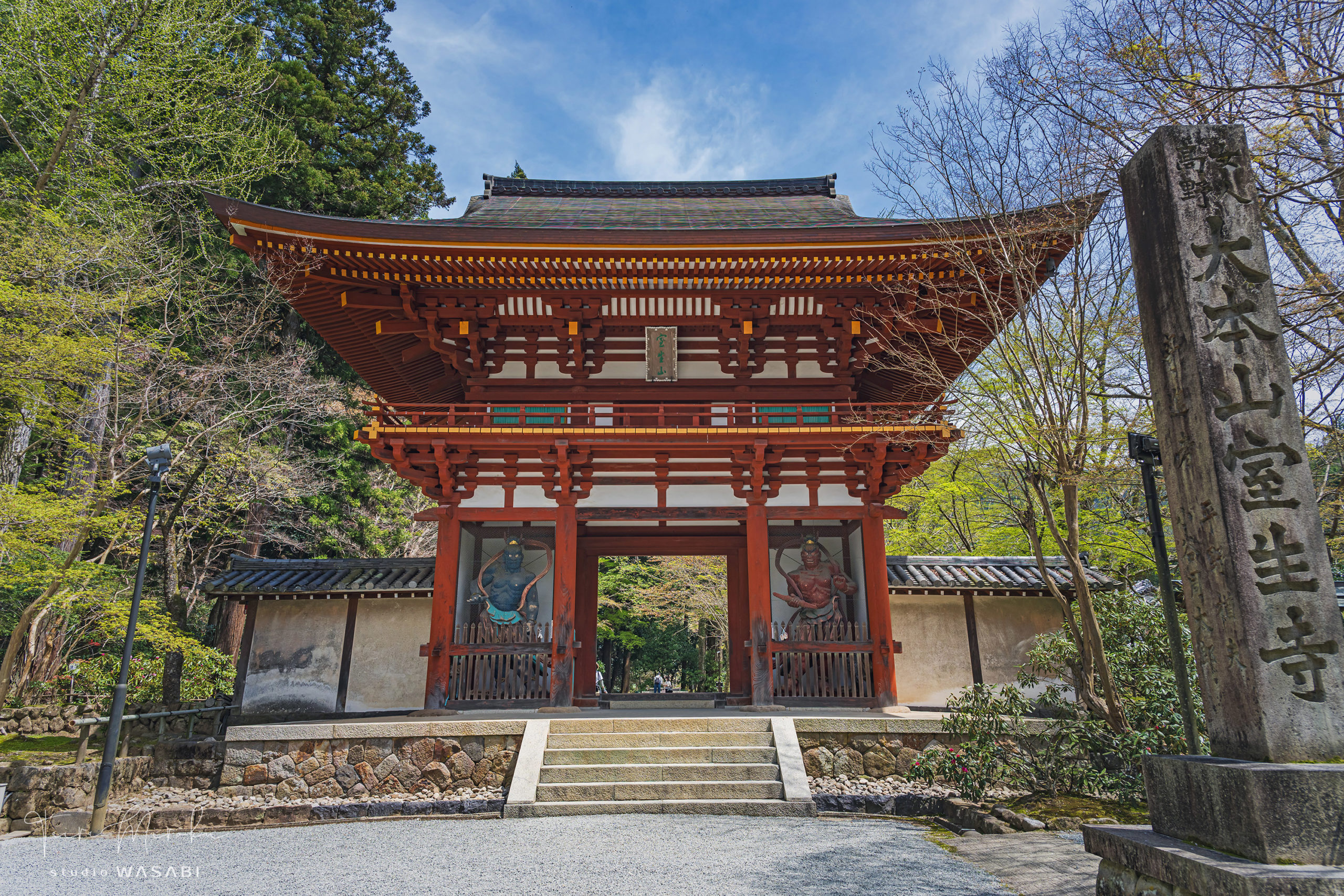
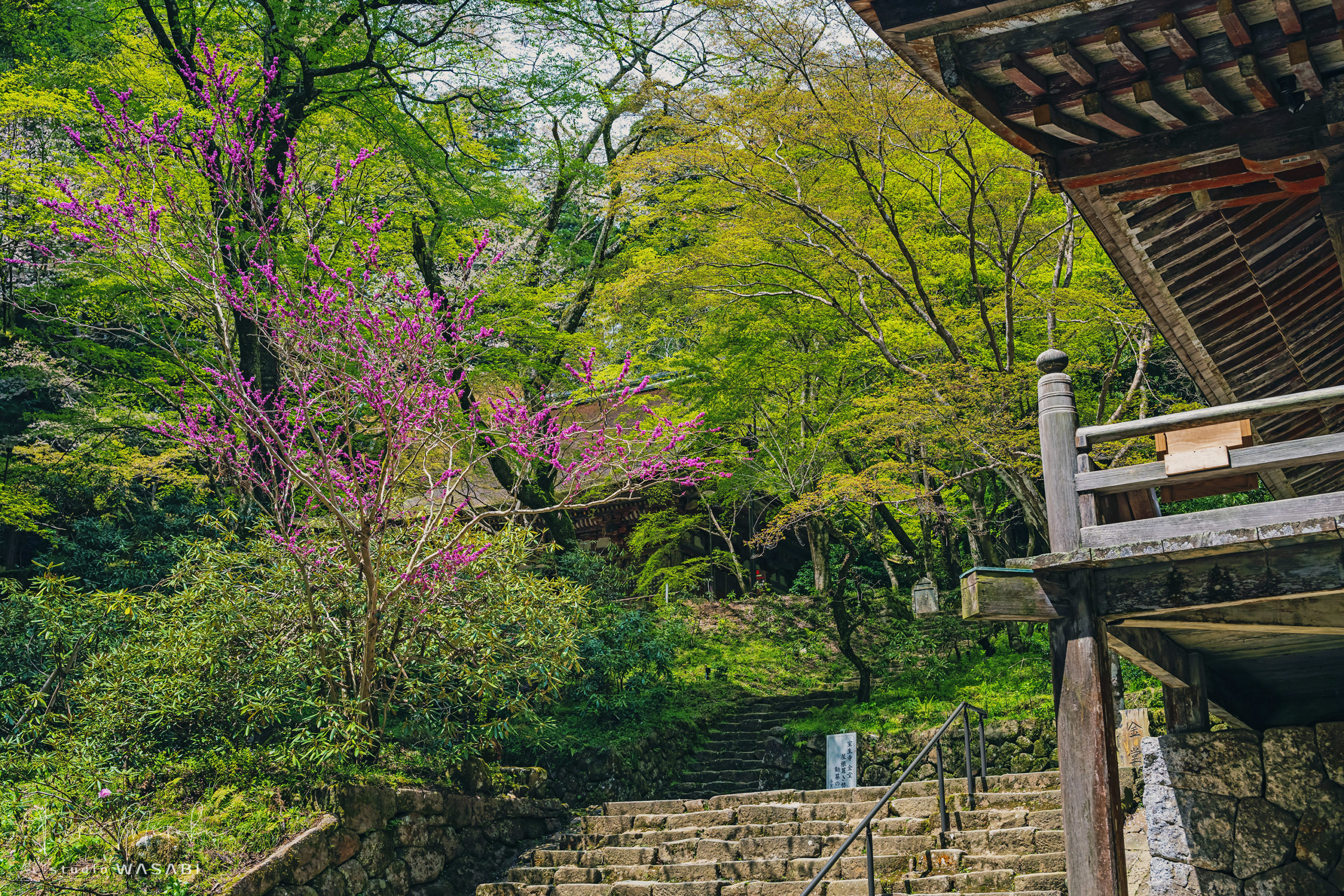
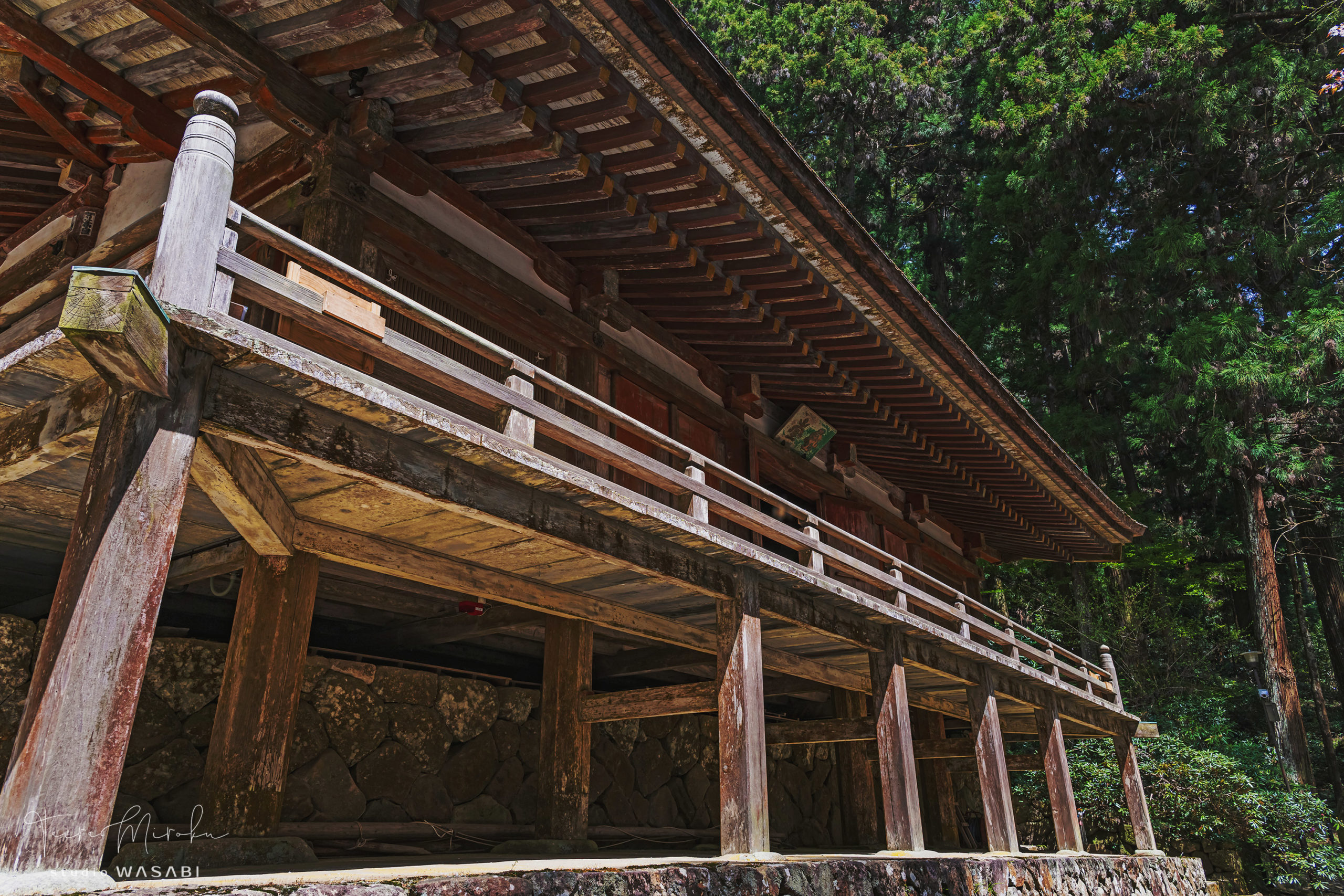
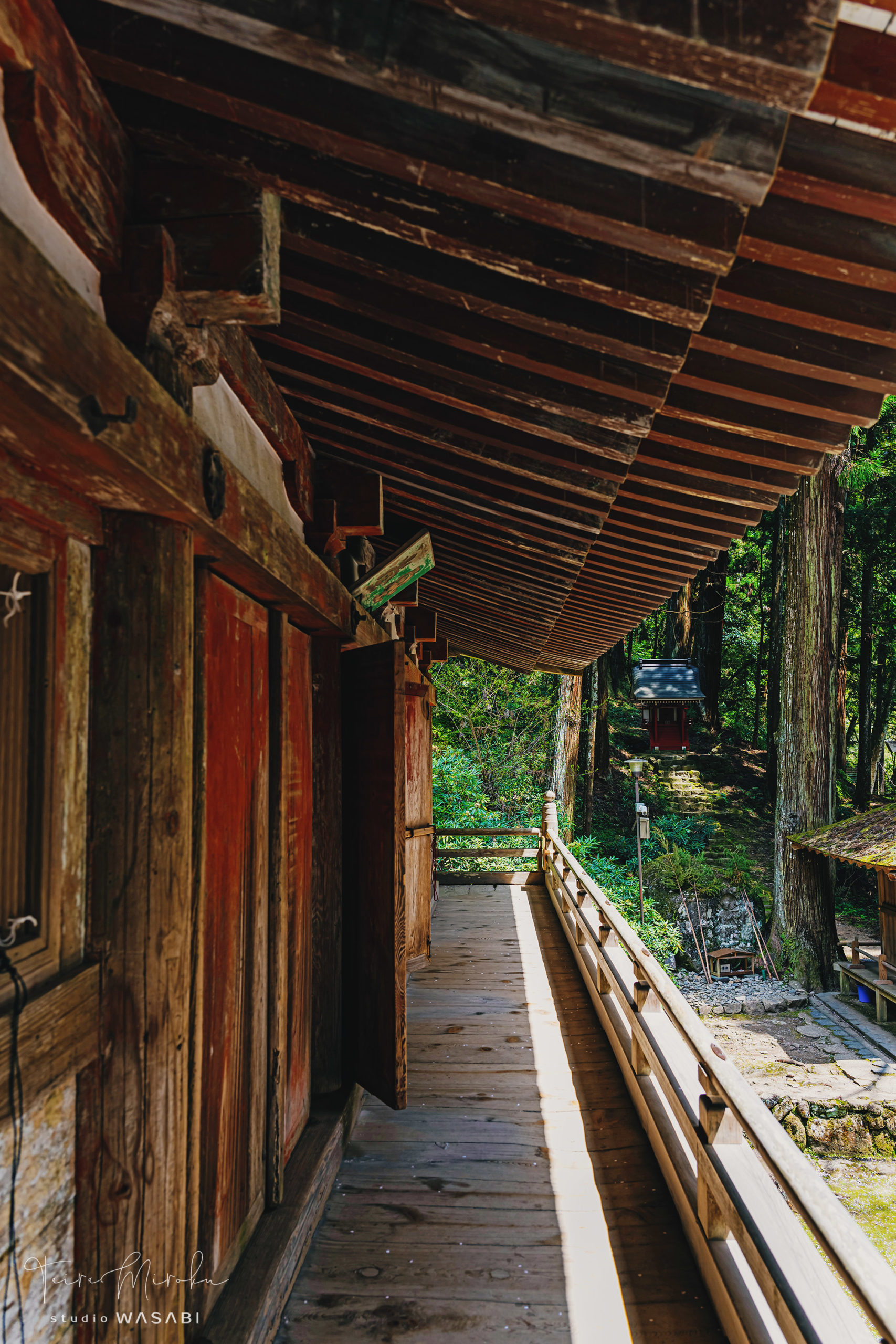
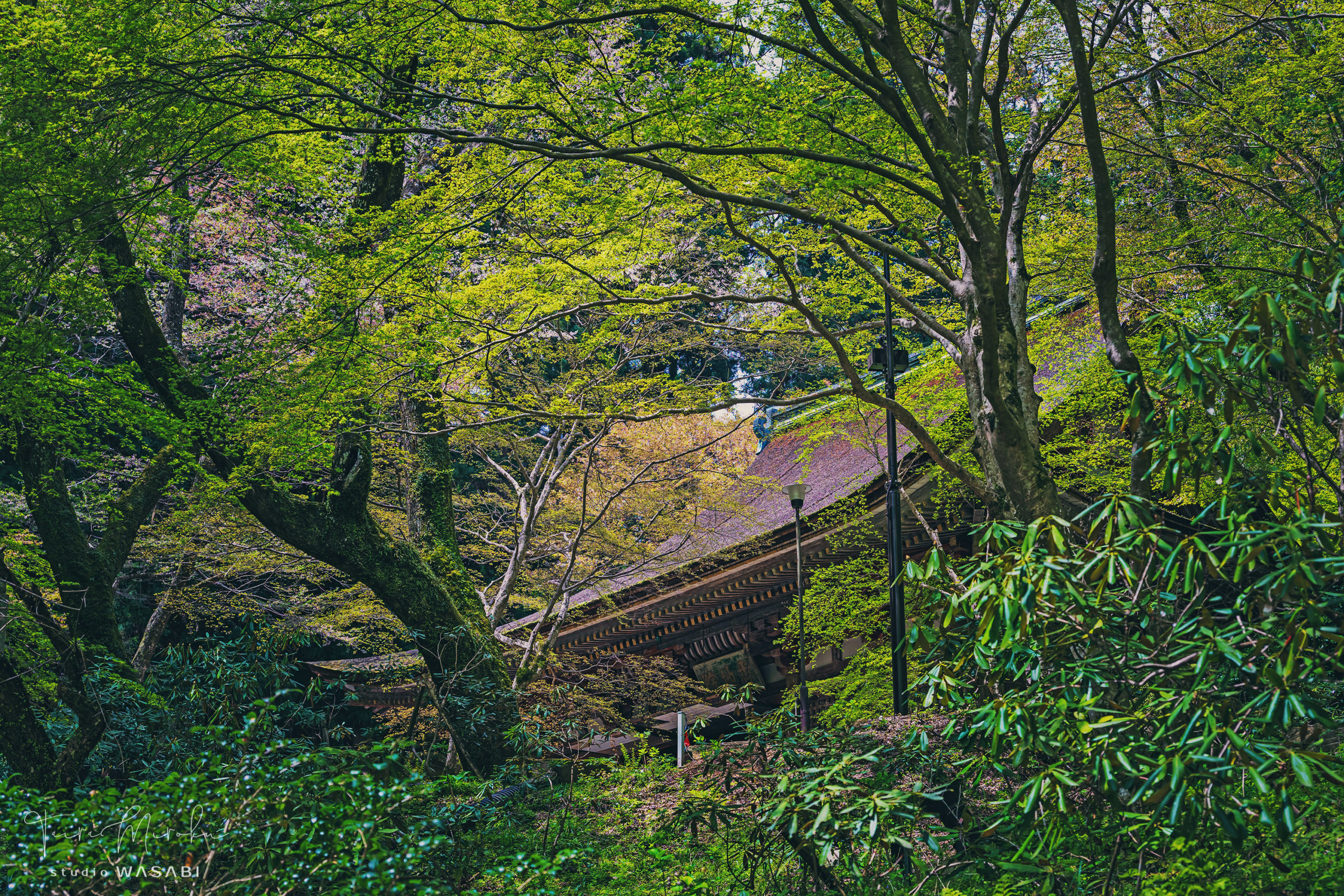
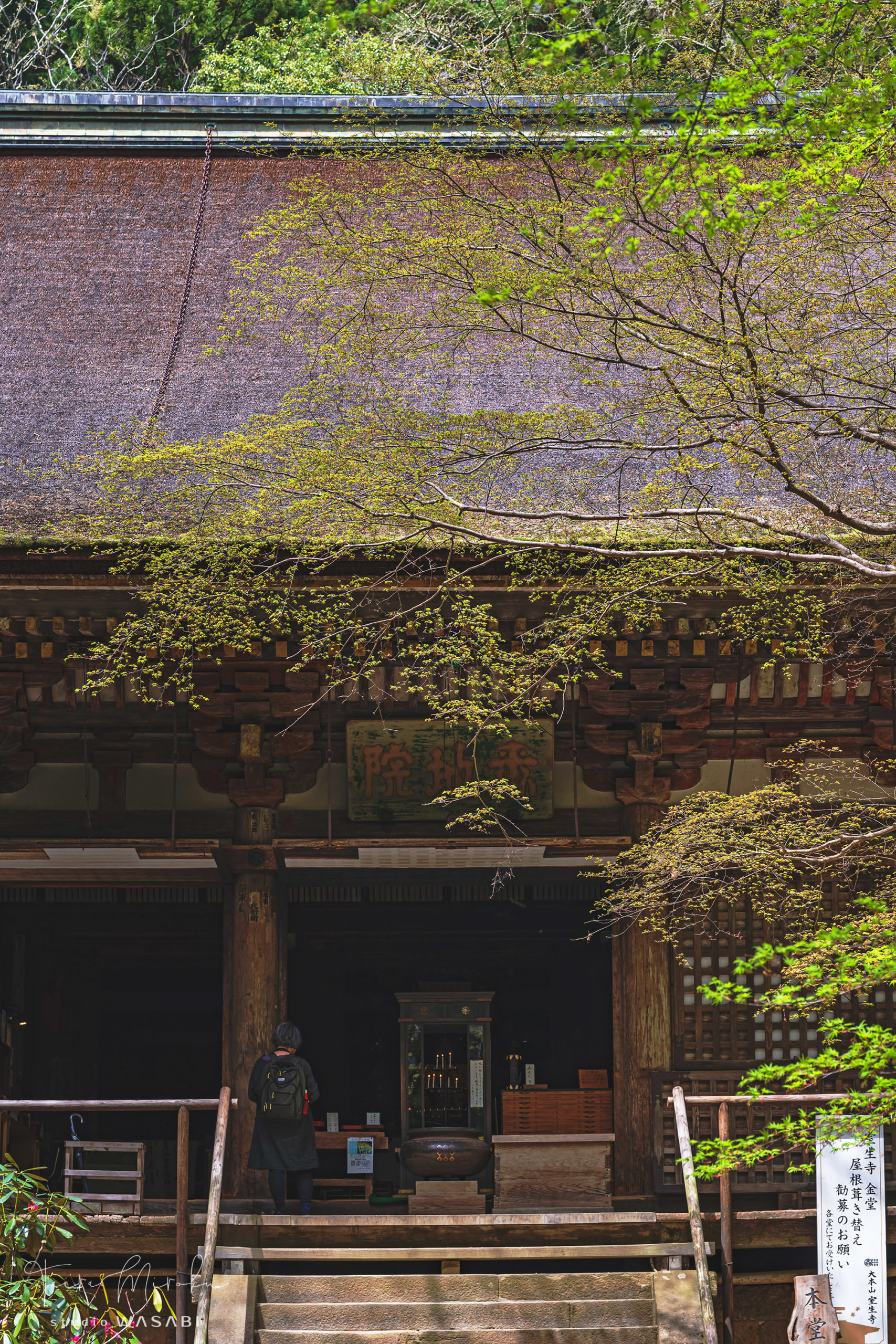
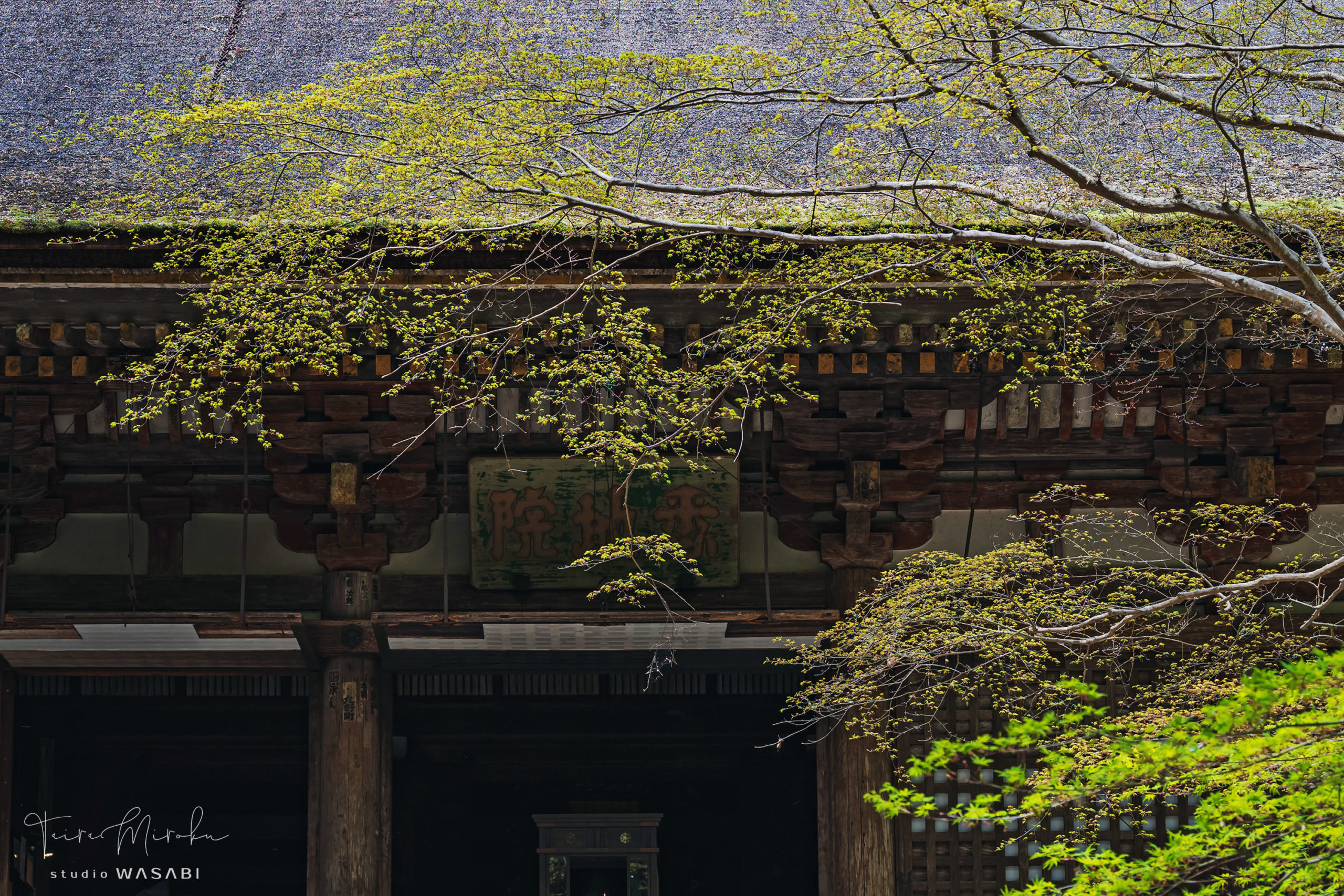
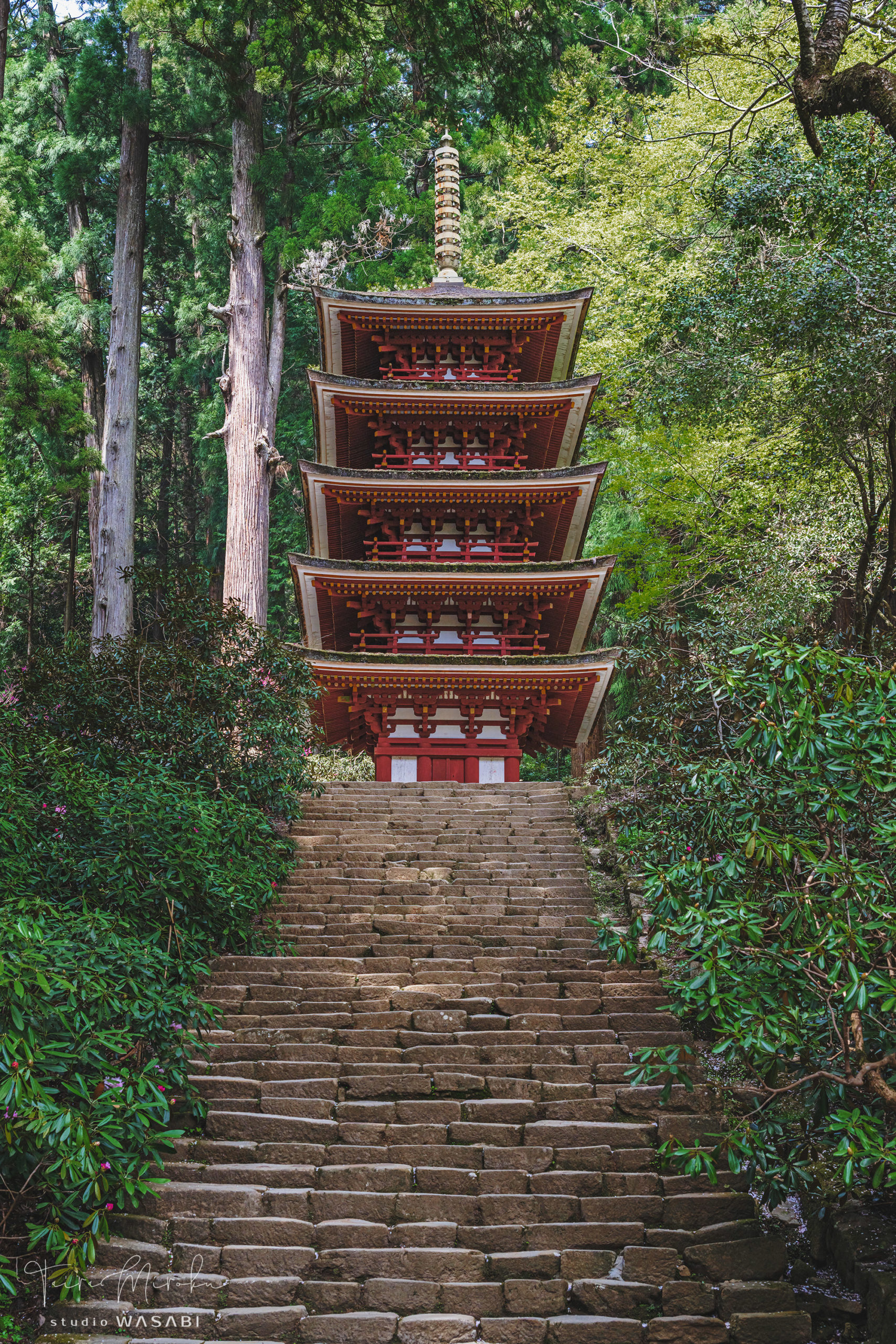
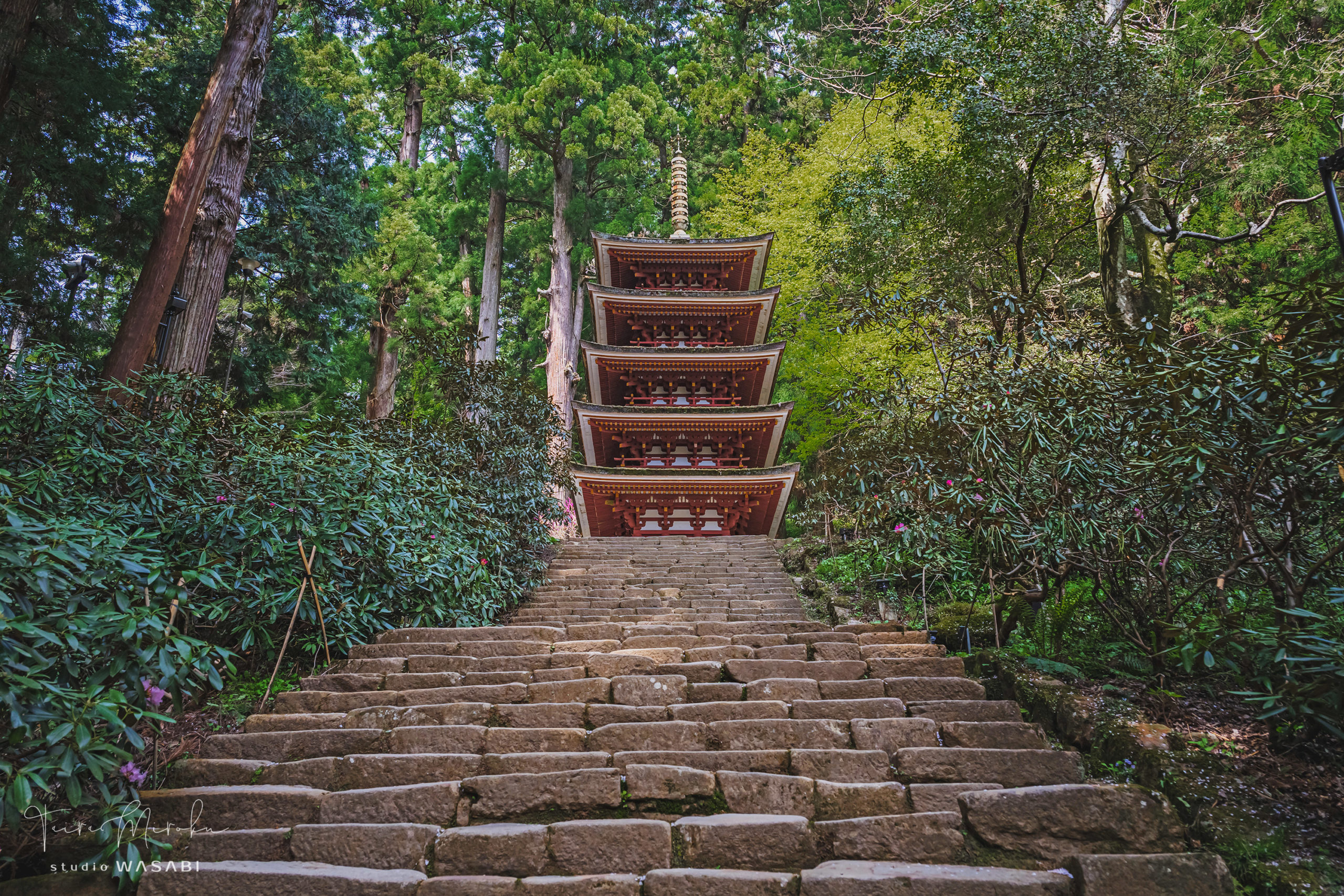
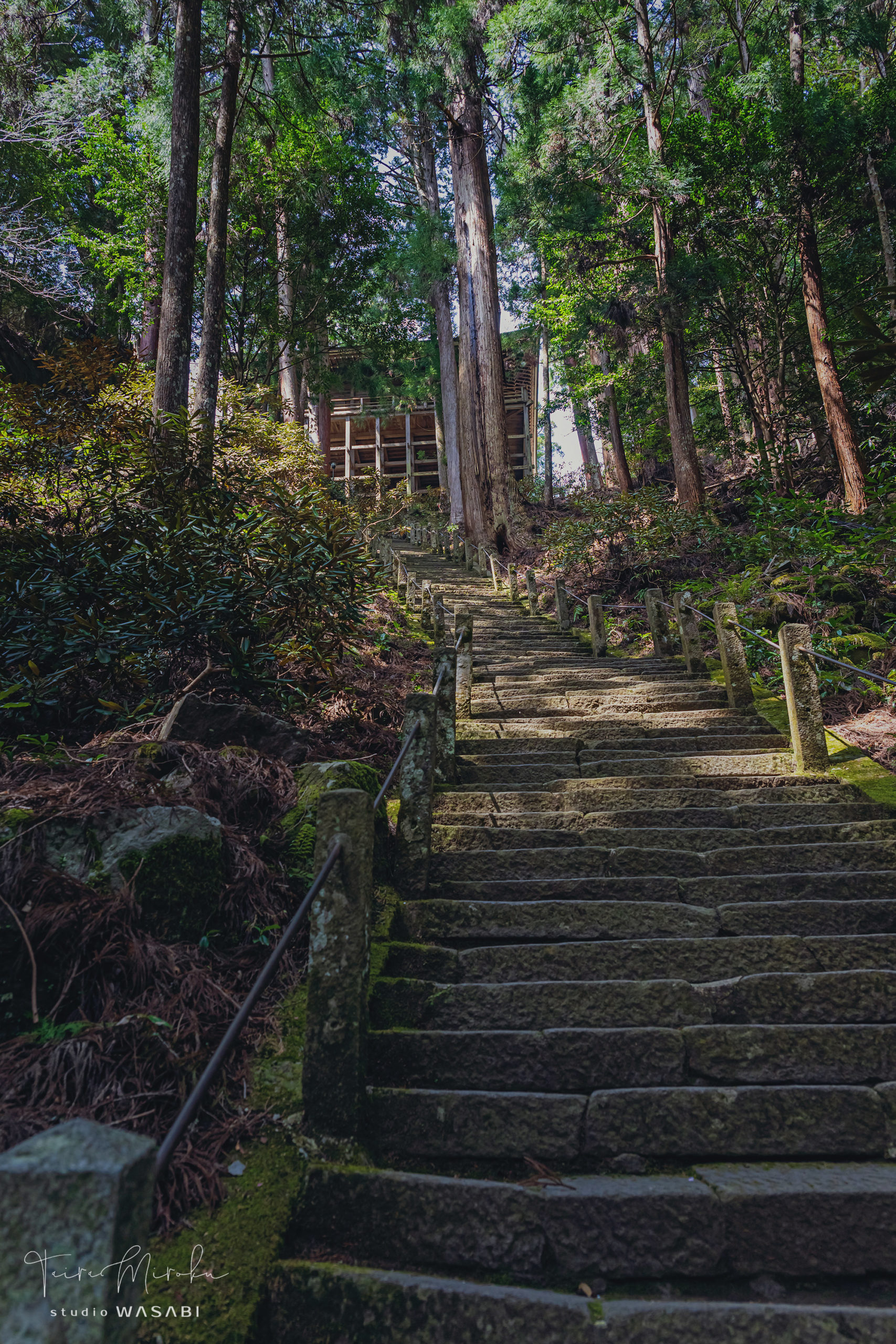
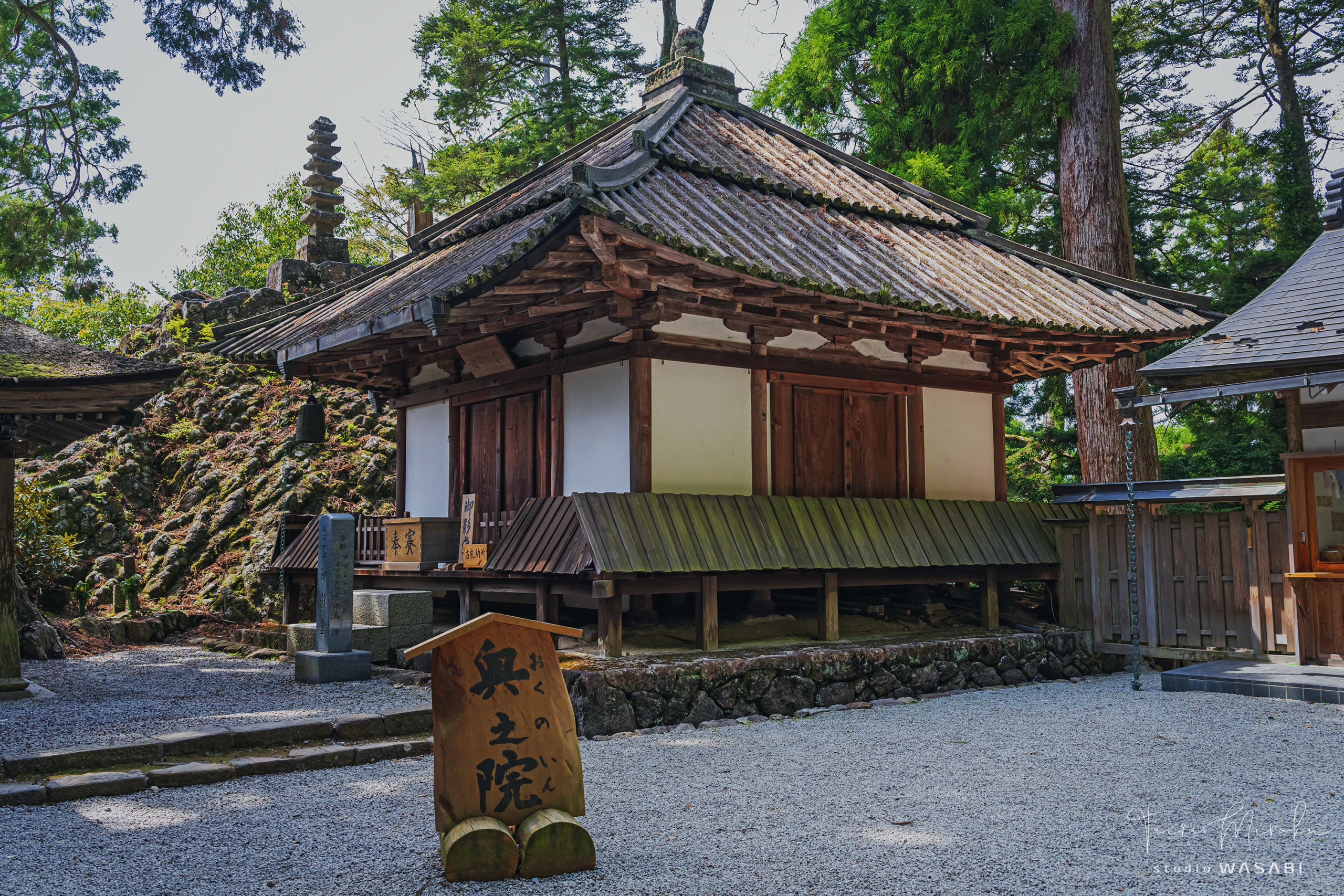
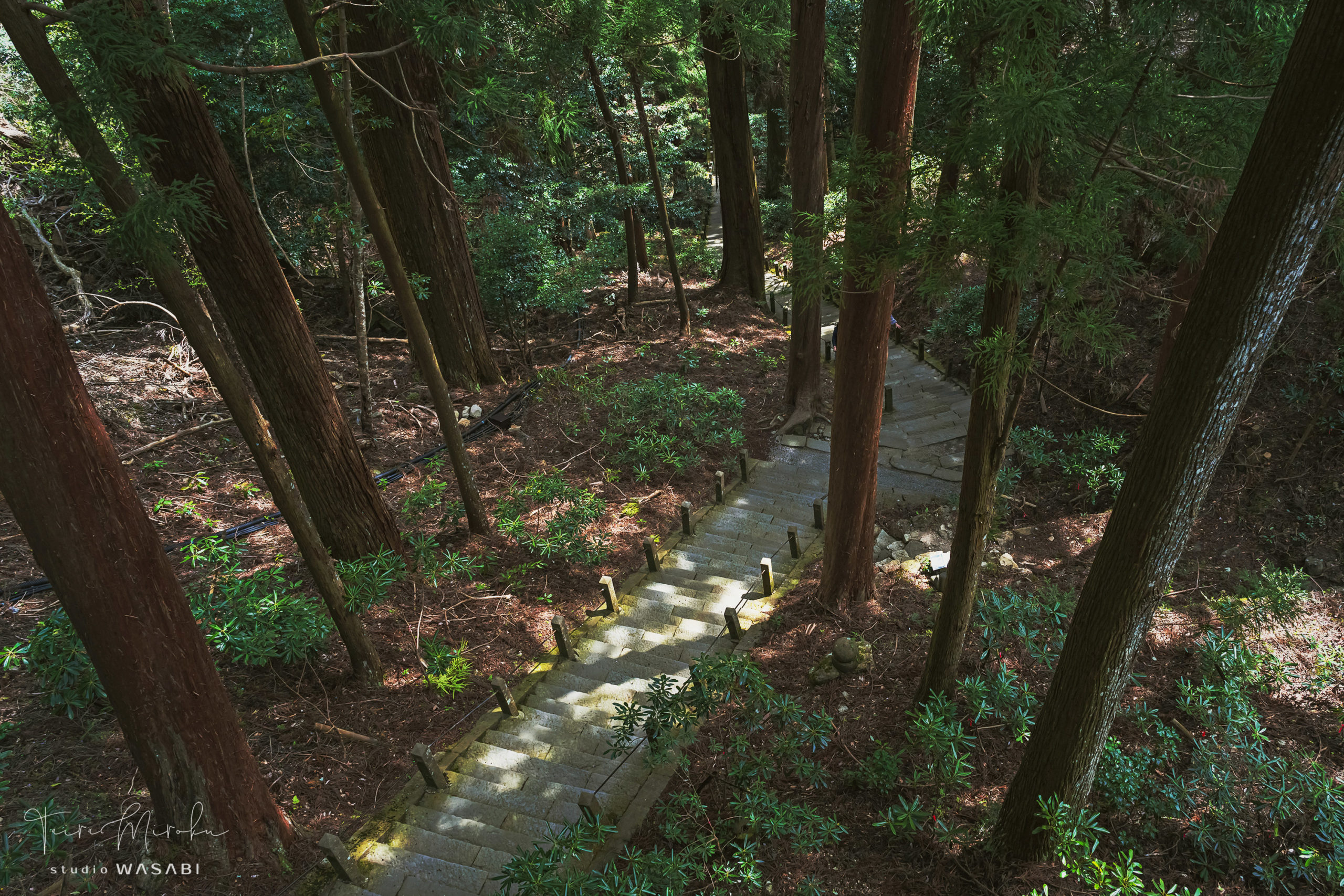
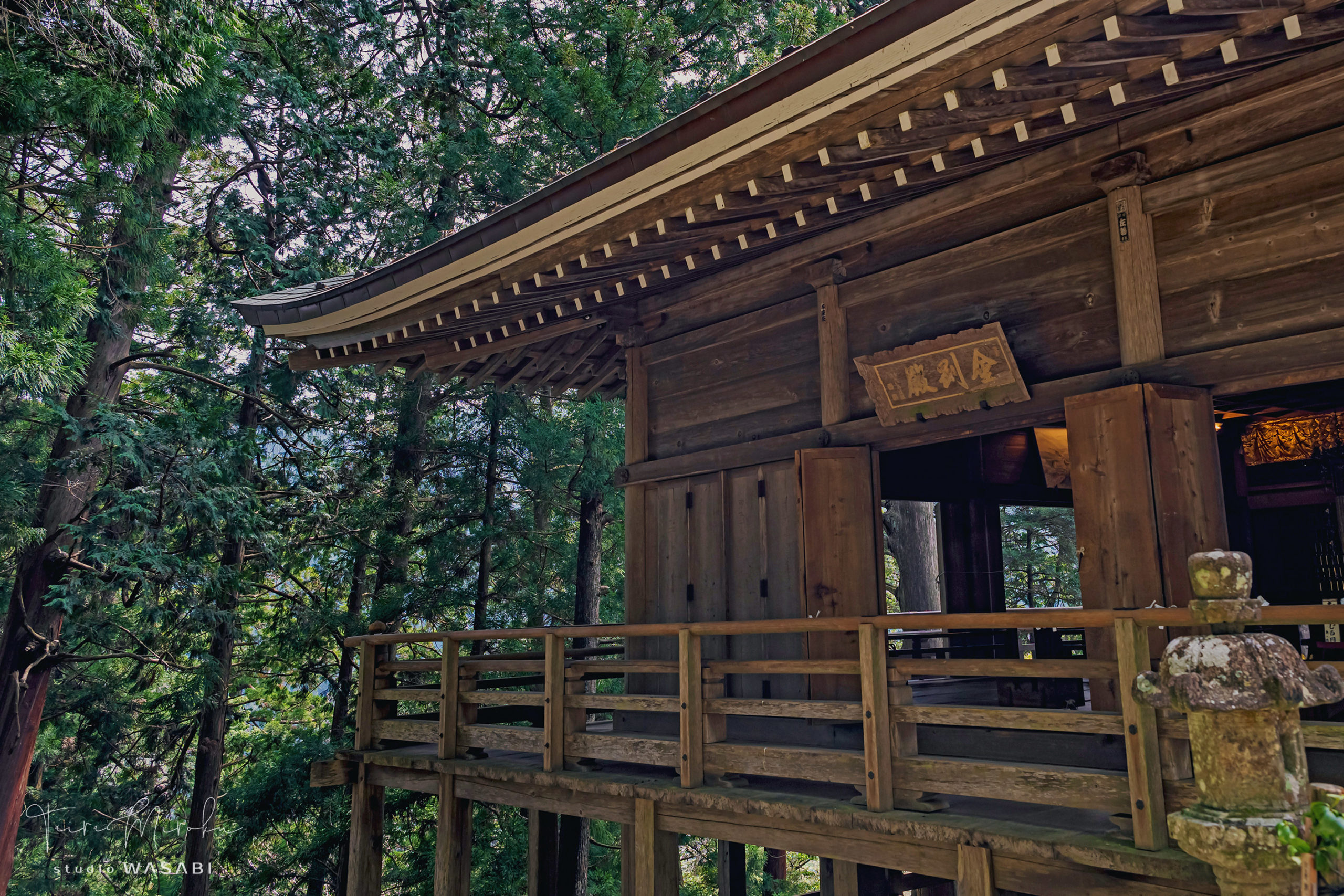
室生寺は、奈良県宇陀市にある真言宗室生寺派の大本山。 室生川の渓流が流れる室生山の中腹に建つ山岳寺院である。 平安時代前の建築物や仏像を今に伝え、境シャクナゲの名所としても知られる。 室生寺は、平安時代を通じ興福寺別院の学問道場として多くの僧侶を集めていた。 中世以降、室生寺は衰退するが、興福寺の傘下を離れ真言宗寺院となるのは江戸時代のことである。 5代将軍徳川綱吉の生母桂昌院の庇護を受け再興された。 江戸時代になると、同じ真言宗で女人禁制だった高野山金剛峰寺に対し、室生寺は女人の参詣を許可。 そのため女人高野と呼ばれ、女性の信仰を集めた。 これにより江戸時代以降、室生寺には「女人高野」の別名がついた。 五重塔から奥へ続く参道を進み、急な石段を登り切ると奥之院へと達する。 奥之院には、弘法大師空海像を祀る御影堂(みえどう)が建つ。 御影堂は大師堂とも呼ばれ、各地にある大師堂の中でも最古の堂の一つ。 室生寺は、昭和39年(1964年)真言宗豊山派から独立し、真言宗室生寺派の大本山となった。 四季を通して彩られる美しい室生寺の境内は、訪れる人を魅了する。 きっとあなたも魅了されるはず。
Beautiful precincts that change expression with each season.
Muroji Temple is the head temple of the Muroji sect of the Shingon sect, located in Uda City, Nara Prefecture. It is a mountain temple built halfway up Mt. Muro, through which the Murogawa River flows. The temple is known for its pre-Heian period architecture and Buddhist statues, as well as for its rhododendrons on the precincts of the temple. Muroji Temple also served as a training center for academics as a branch temple of Kofukuji Temple throughout the Heian period. After the Middle Ages, Muroji Temple declined, but it was in the Edo period that it left the umbrella of Kofukuji Temple and became a Shingon Buddhist temple. It was restored under the patronage of Keishoin, the mother of the fifth shogun, Tokugawa Tsunayoshi. In the Edo period (1603-1867), Muroji Temple allowed women to visit the temple, in contrast to Kongobuji Temple on Koyasan, which was also a Shingon sect temple, but women were forbidden to visit. As a result, it was called Women’s Koya and attracted the faith of women. As a result, Muroji Temple was given the nickname “Women’s Koya” from the Edo period onwards. Going forward from the five-story pagoda to the inner part of the temple, you will reach the Okunoin after climbing up the steep stone steps. In Okunoin, there is the Miedo Hall, which enshrines a statue of Kobo Daishi Kukai. The Miedo Hall is also called the Taishi Hall, and is one of the oldest Taishi Halls in the area. Muroji Temple became independent from the Buzan School of Shingon Buddhism in 1964, and became the head temple of the Muroji School of Shingon Buddhism. The beautiful grounds of Muroji Temple, which are colored throughout the four seasons, fascinate visitors. You will be enchanted as well.