Zenkoji Temple / Nagano City, Nagano Prefecture
善光寺
創建千四百年を誇る古寺
— Ancient temple with a history of 1,400 years
善光寺は、長野県長野市にある無宗派の単立仏教寺院で、創建約千四百年を誇る古寺。本尊は日本最古と伝わる一光三尊阿弥陀如来で絶対秘仏。無宗派だが境内にある天台宗「大勧進」と25院、浄土宗「大本願」と14坊により運営されている。
大勧進の住職は「貫主(かんす)」と呼ばれ、天台宗の名刹から推挙された僧侶が務め、大本願は、大寺院には珍しい尼寺で、住職は「善光寺上人(しょうにん)」と呼ばれ、代々公家出身者から迎えている。
善光寺縁起によれば、本尊の一光三尊阿弥陀如来は、インドから百済へと渡り、欽明天皇十三年(552年)、仏教伝来と共に日本へ渡った日本最古の仏像と伝わる。絶対秘仏の一光三尊阿弥陀如来は、本堂「瑠璃壇」厨子内に安置され、その姿は住職ですら目にすることはできないという。七年に一度の御開帳には、金銅阿弥陀如来及両脇侍立像(前立本尊)が絶対秘仏の本尊の分身として公開される。
平安時代、善光寺聖と呼ばれる民間僧が本尊の分身仏を背負い、全国を遍歴し善光寺信仰を広めた。
戦国時代、善光寺平は武田信玄と上杉謙信の争いの舞台となり寺は荒廃していく。弘治元年(1555年)、武田信玄は本尊や寺僧に至るまで、善光寺を本拠地の甲府に移した。武田家が織田信長に滅ぼされると、本尊は織田から徳川へと渡り、最終的に豊臣秀吉が京都の方広寺の本尊として安置した。しかし、慶長三年(1598年)に、秀吉の病は本尊の祟りだという噂から、死の前日に信濃へ帰された。
江戸時代に入ると、徳川家康より寺領の寄進を受けるなど善光寺は次第に復興を遂げていき現在に至る。
「遠くとも一度は詣れ善光寺」
江戸時代、一度でもいいから善光寺で参拝をすれば極楽往生が約束される、と全国に広まった。泰平の世が続き、一生に一度は善光寺詣りを願う、多くの民衆が善光寺を訪れるようになる。「お伊勢参り」の帰りに「善光寺参り」を行う場合もあった。
善光寺門前の参道は北国街道の一部とされ、門前町は同時に宿場町としての役割も兼ねて発展し、善光寺町(または善光寺宿)と呼ばれるようになる。現在の長野市は、この門前町を起源として発展してきた。
A shrine surrounded by deep history and natural beauty rooted in Hakusan worship
Hakusan Shrines are shrines based on the Hakusan faith, which is scattered throughout Japan. Hakusan worship is based on the belief that Mt. Hakusan, a sacred mountain in Ishikawa Prefecture, is a sacred mountain, and has been worshipped as a guardian of agriculture, a god of water sources, and a symbol of purification and rebirth.
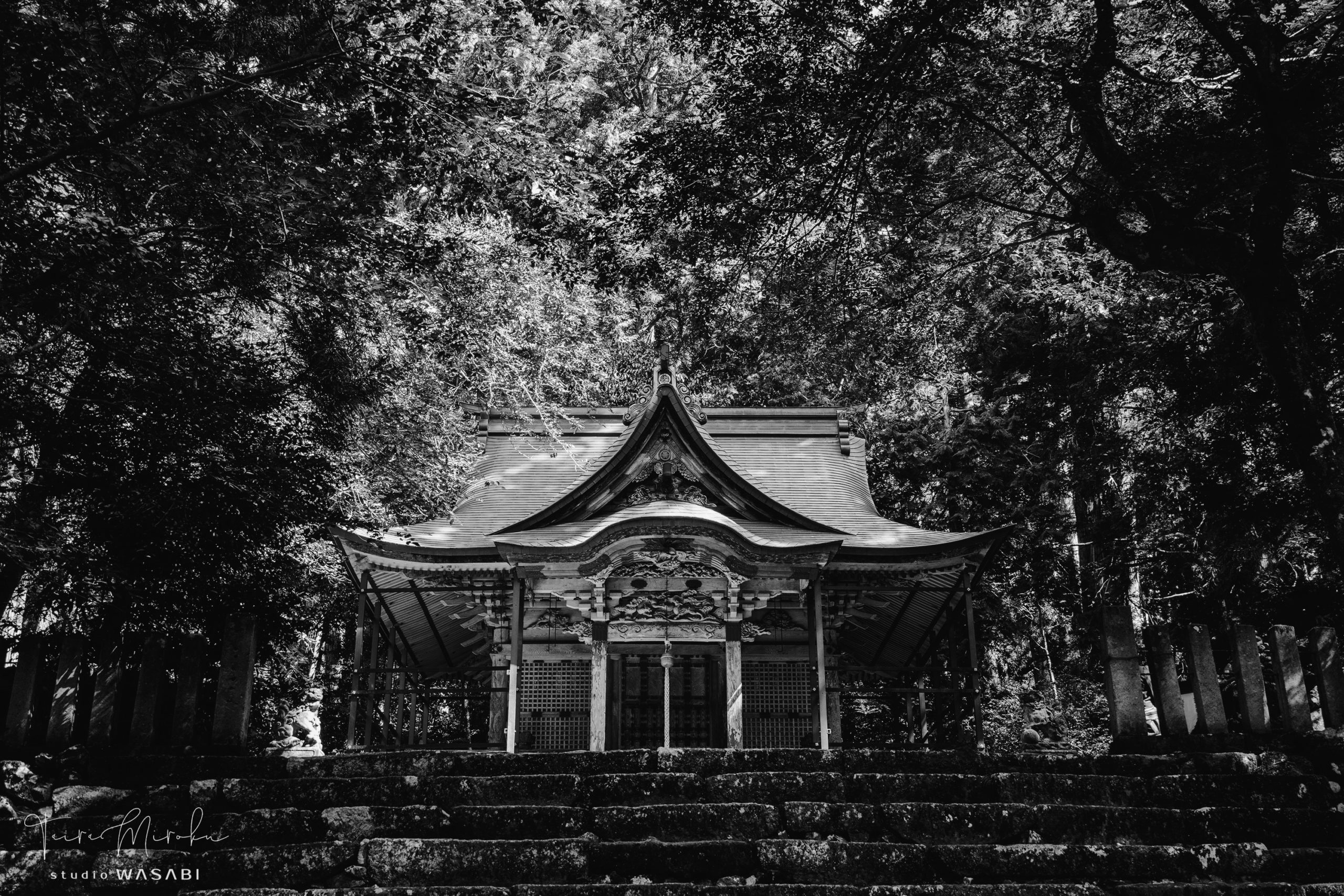
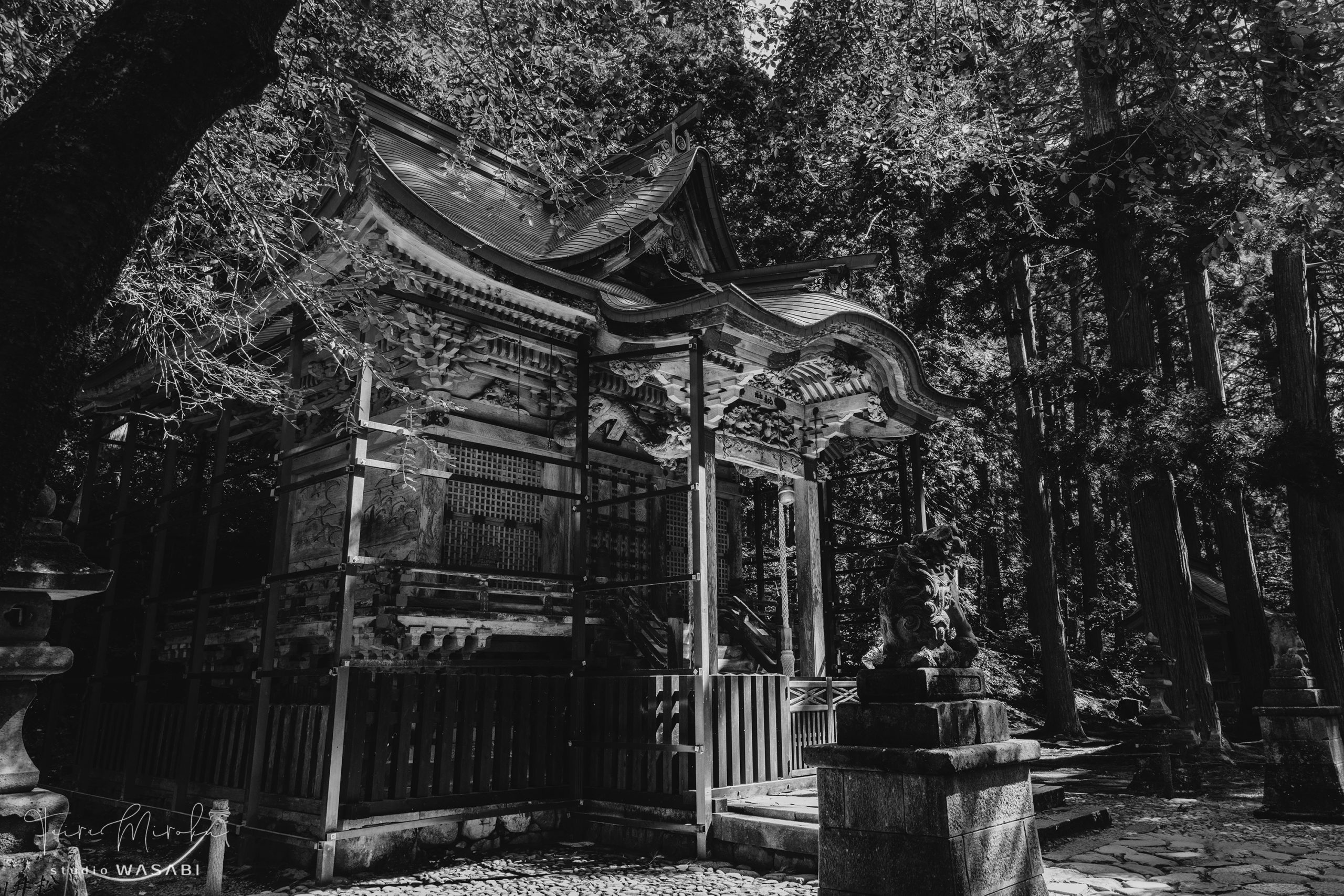
Hakusan Shrine, located here in Katsuyama City, Fukui Prefecture, was also founded in 717 by Buddhist monk Taicho in the lush green mountains. Hakusan, and enshrines Ijojikotono in the main shrine, Amanobihomimi in the separate shrine to the right of the main shrine, and Okonoki-no-mikoto in the shrine to the left of the main shrine.
Hakusan Shrine in Katsuyama City has long been the center of worship for local residents, and while maintaining a solemn atmosphere, it stands out for its harmony with the surrounding nature.
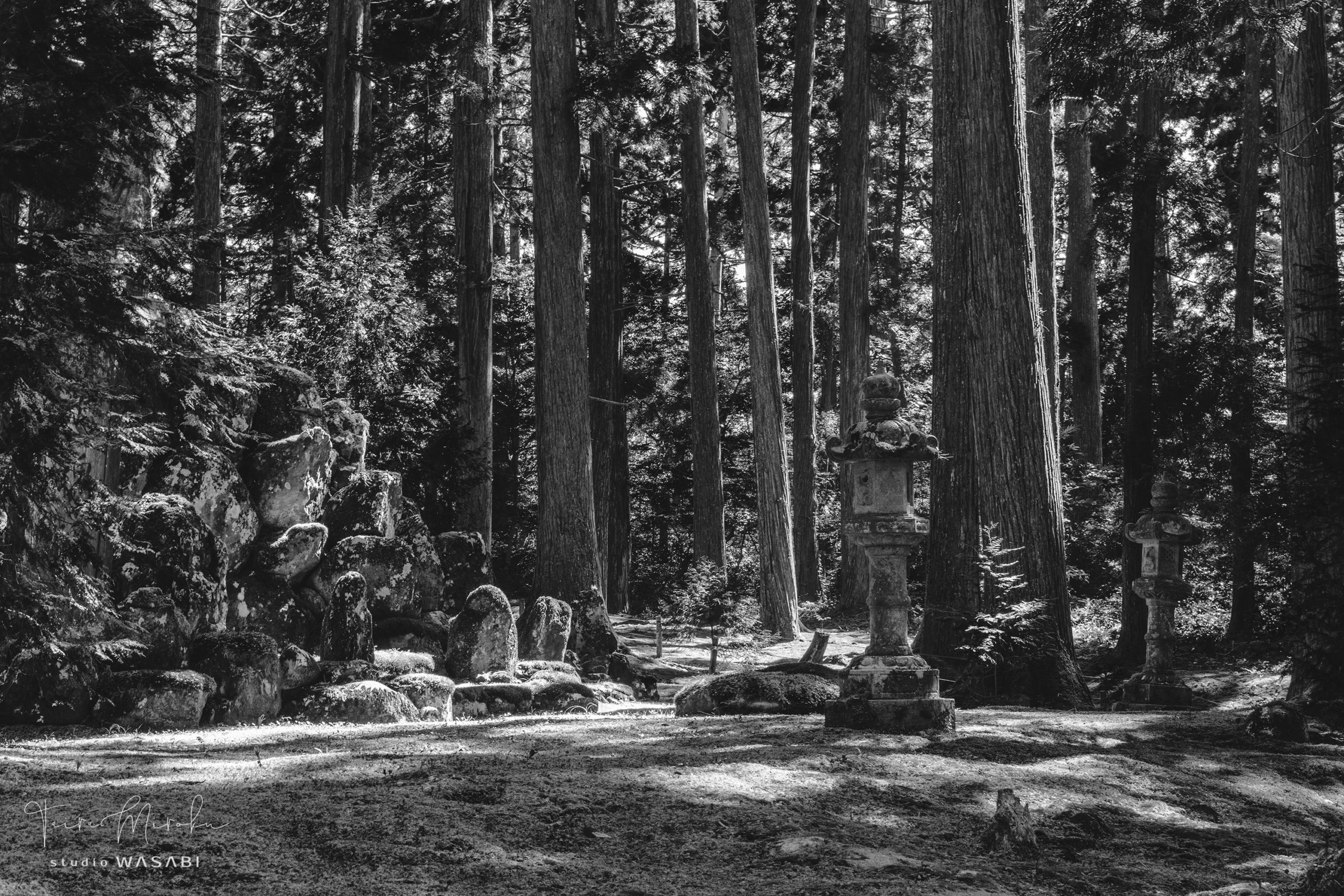
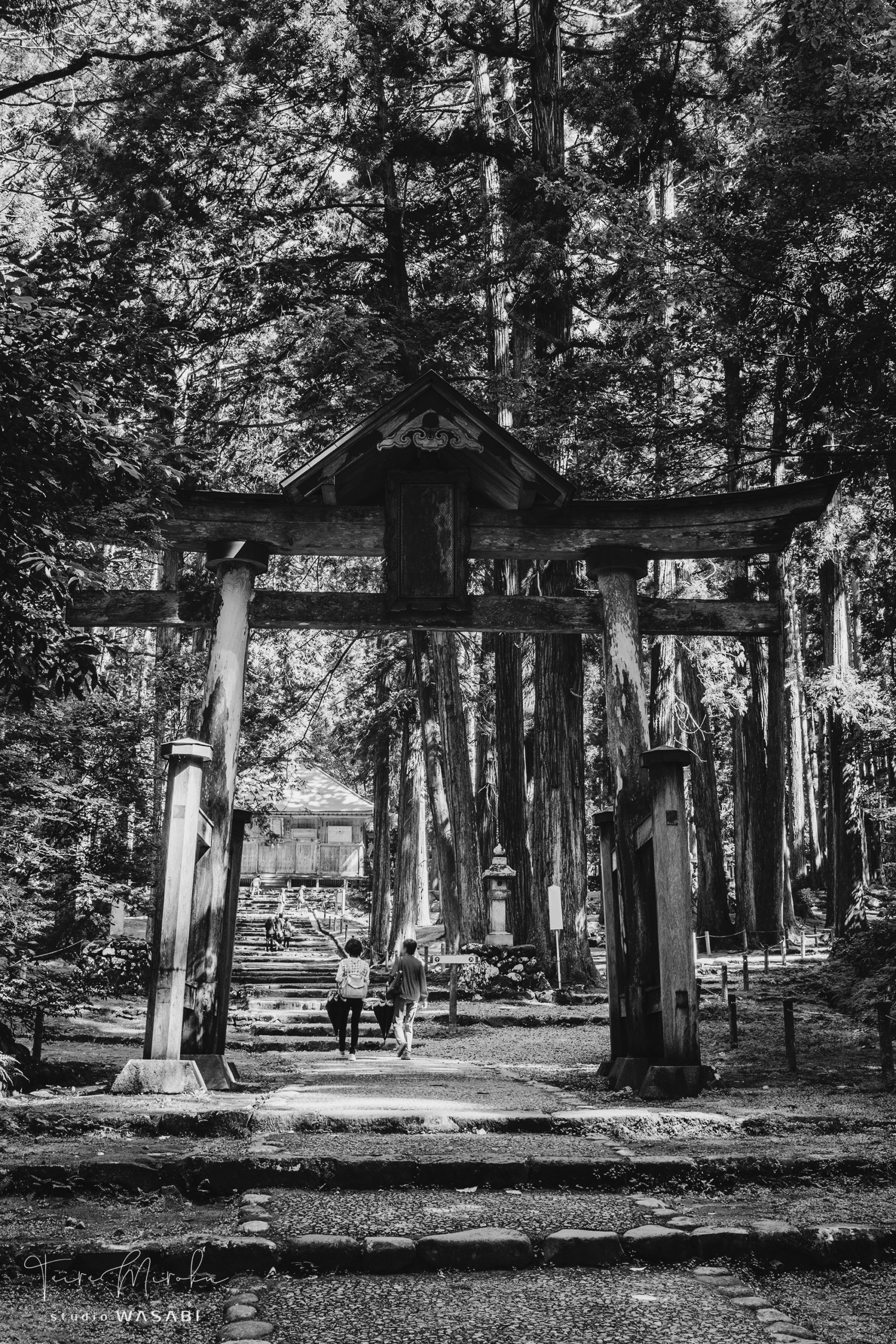
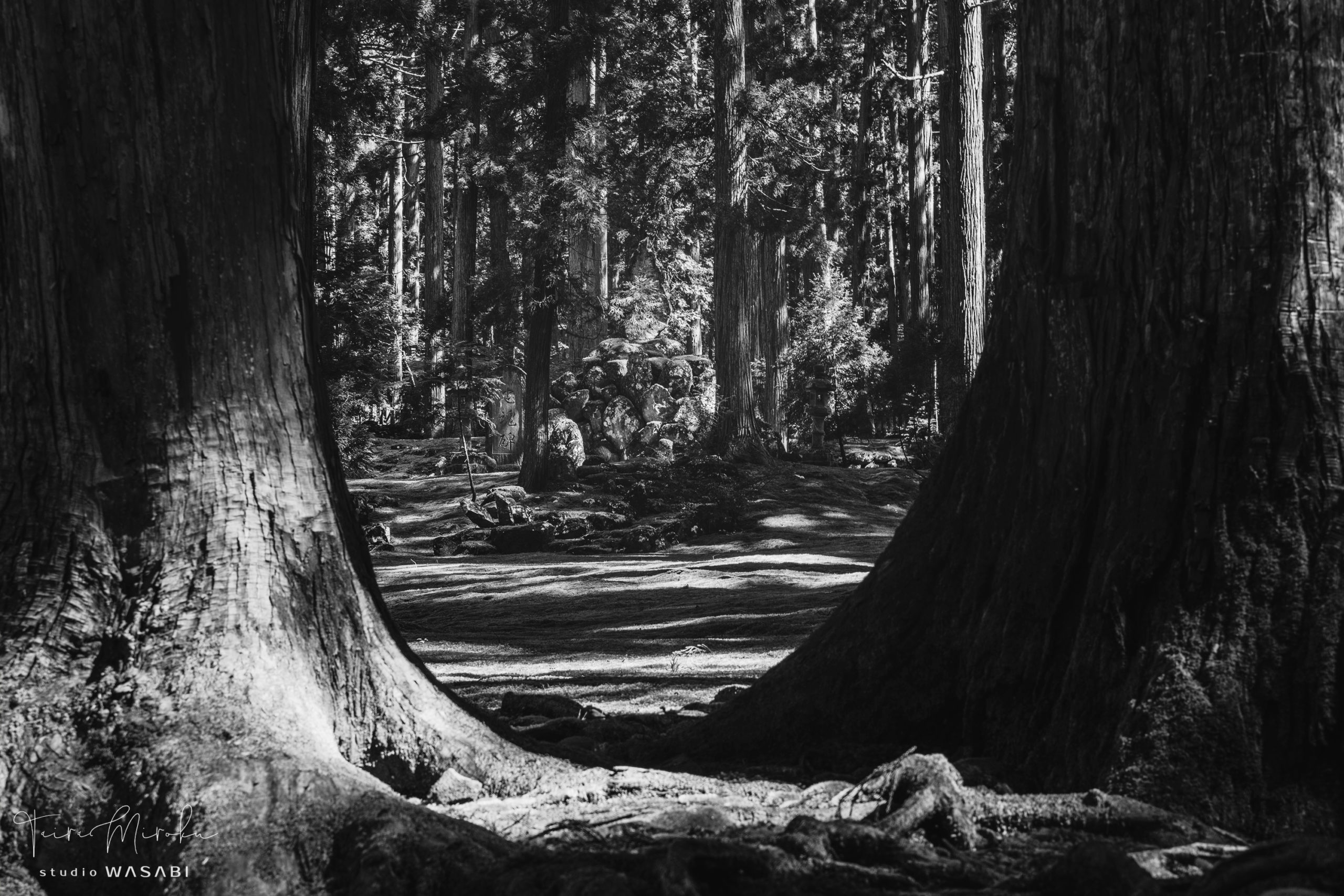
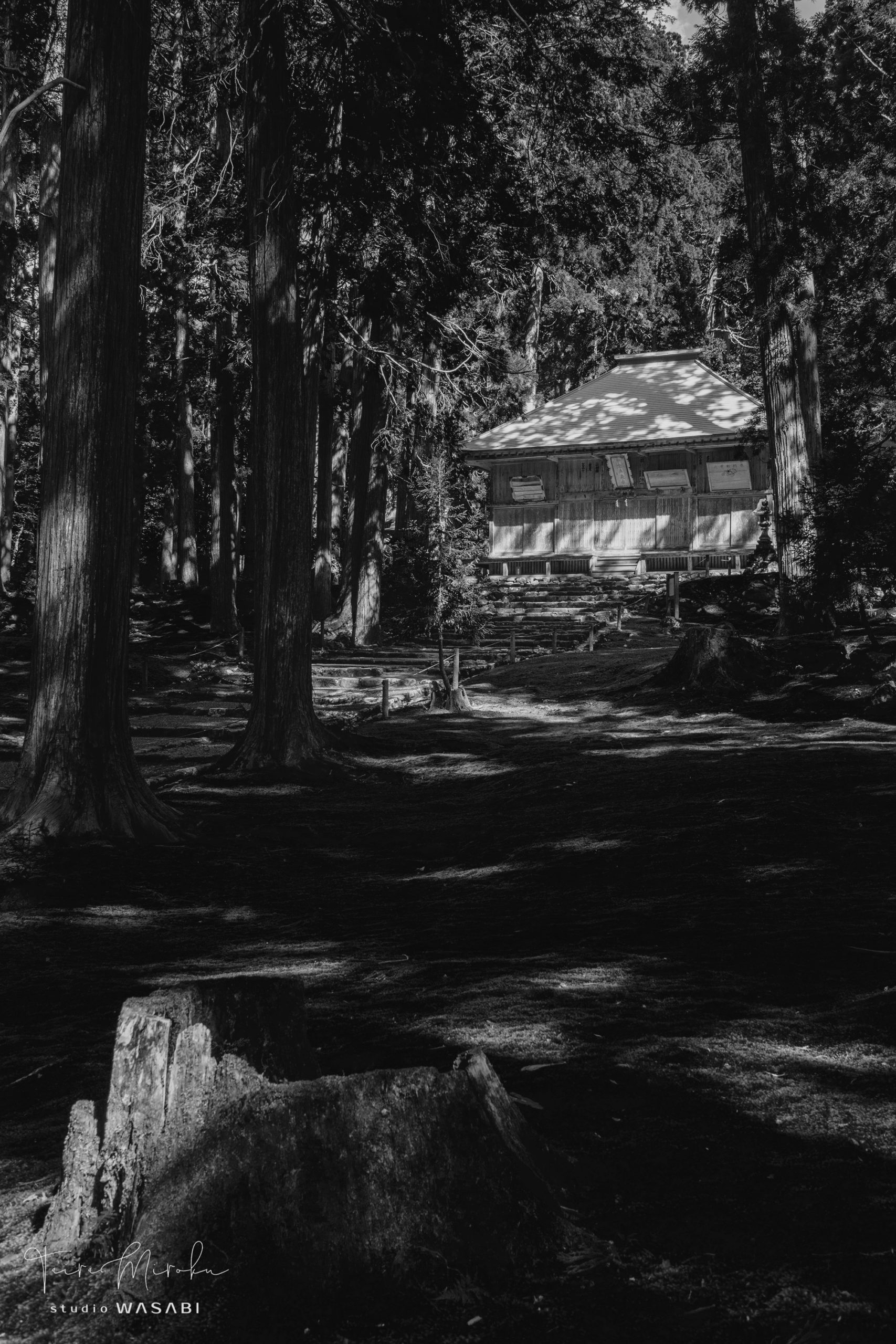
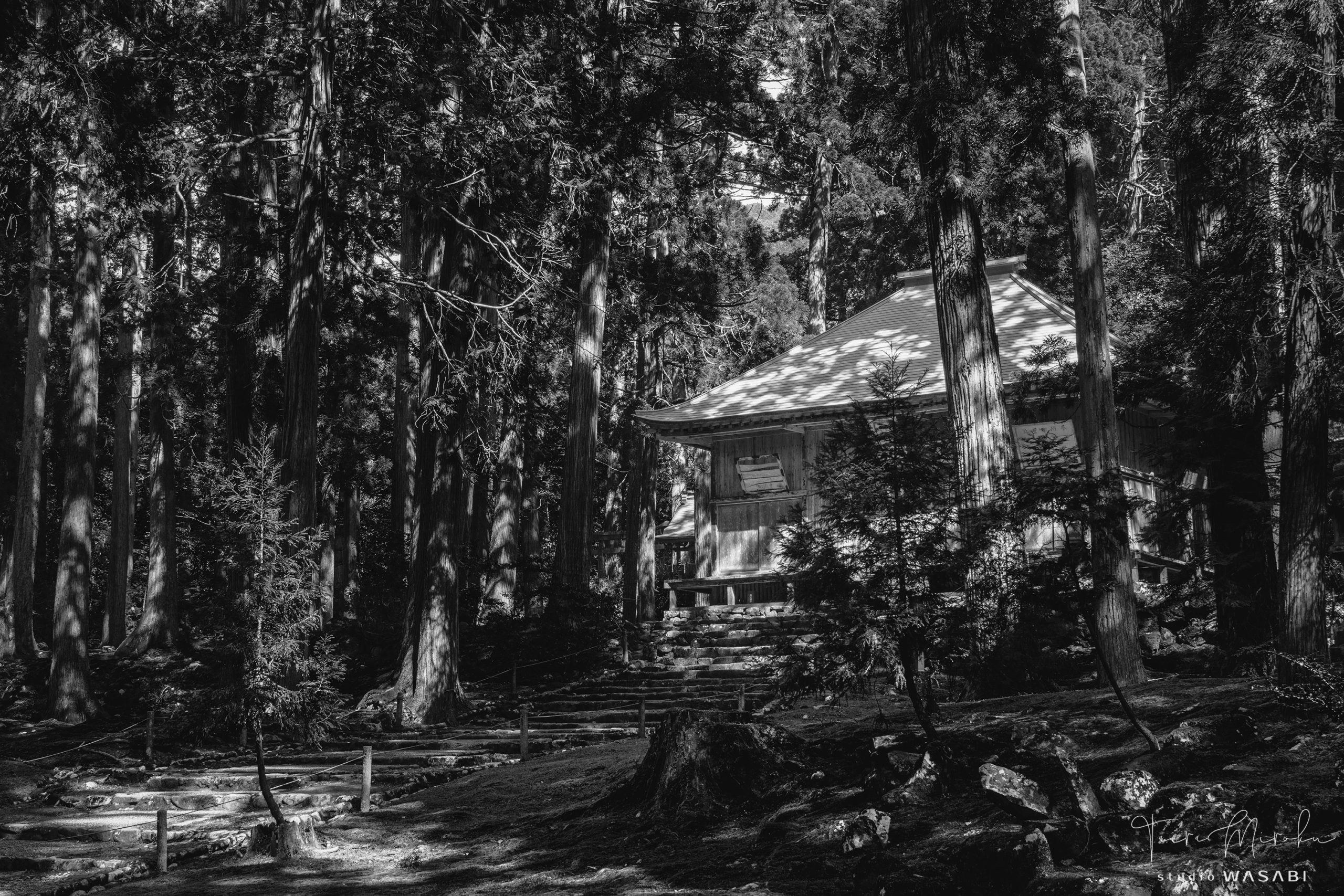
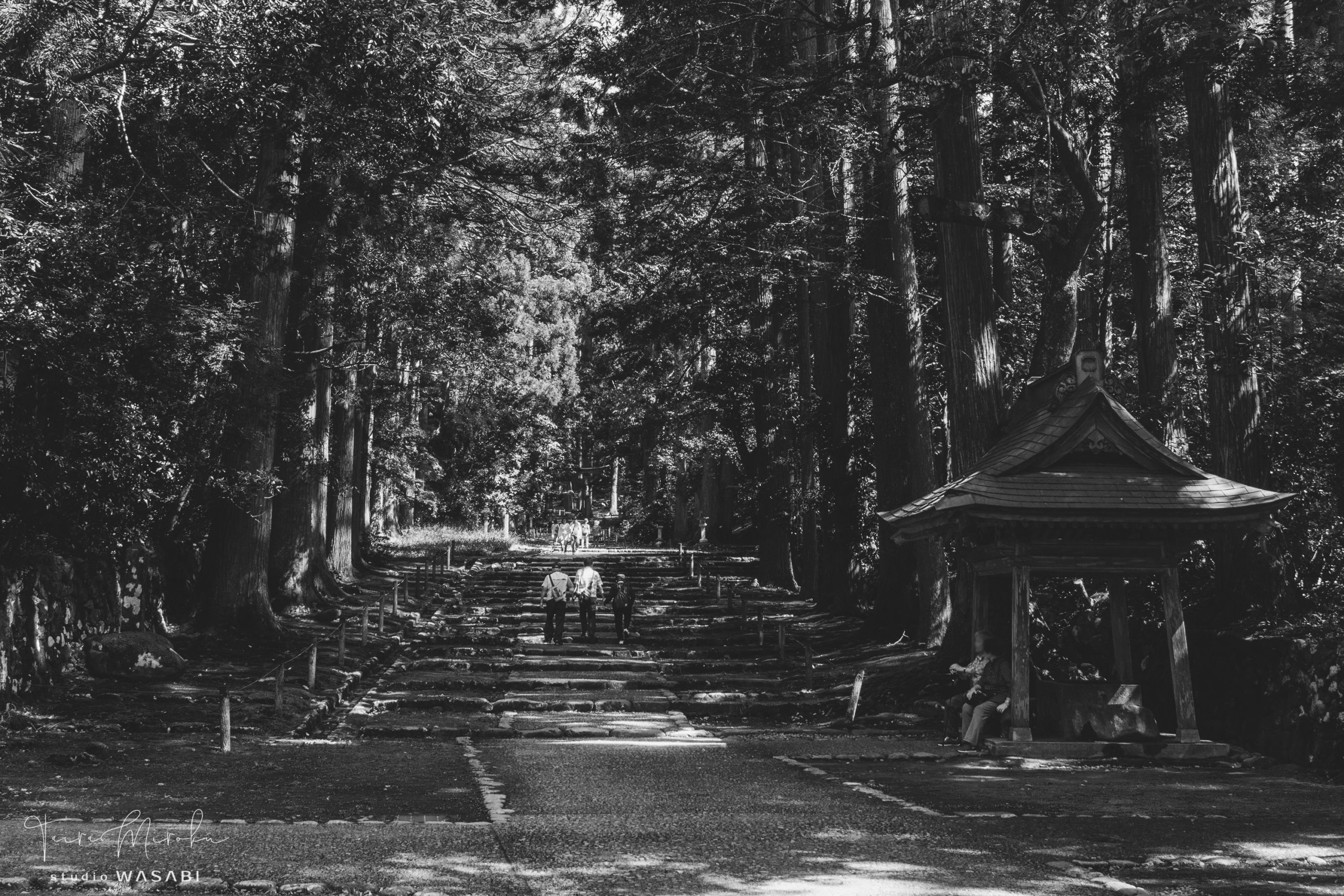
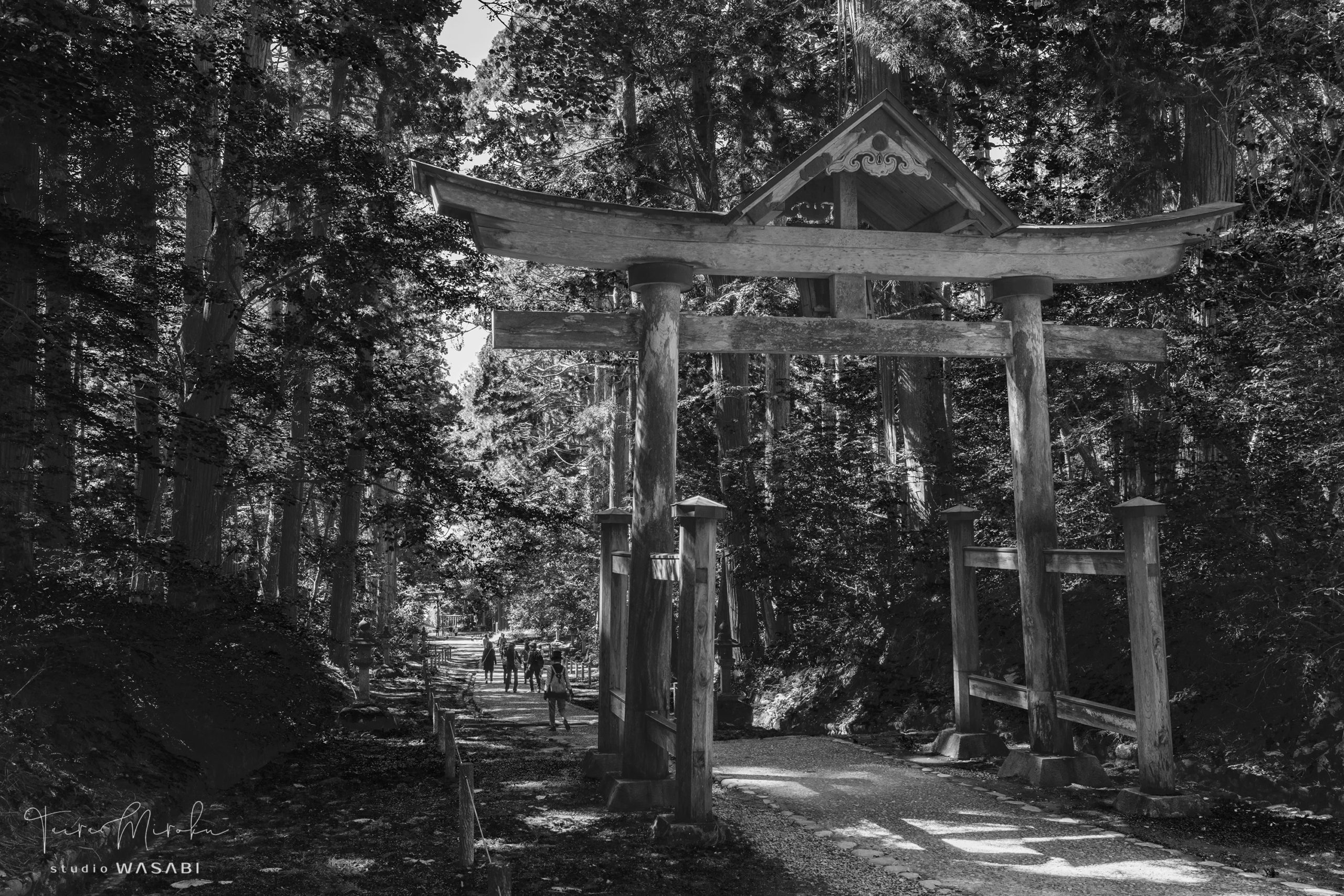
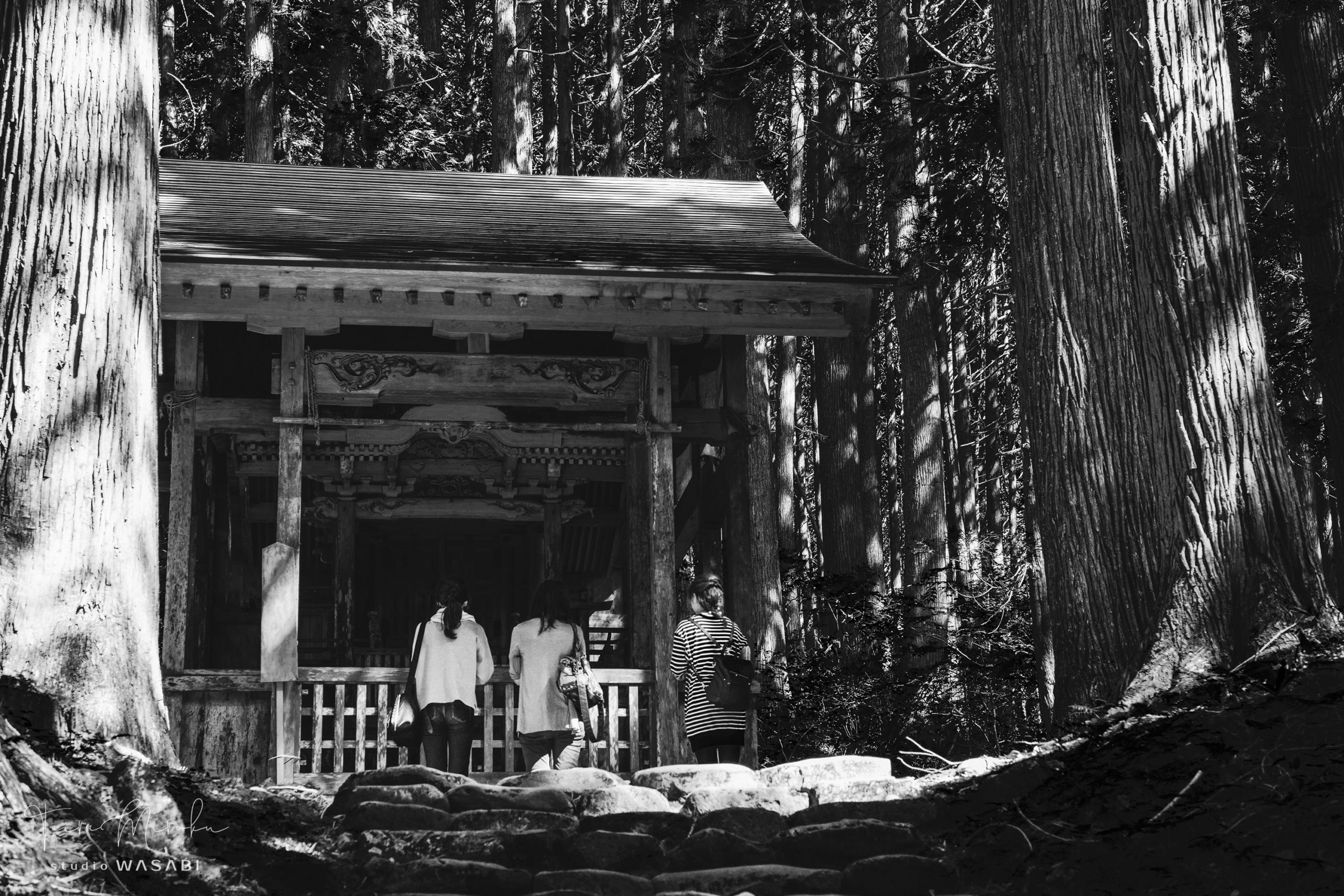
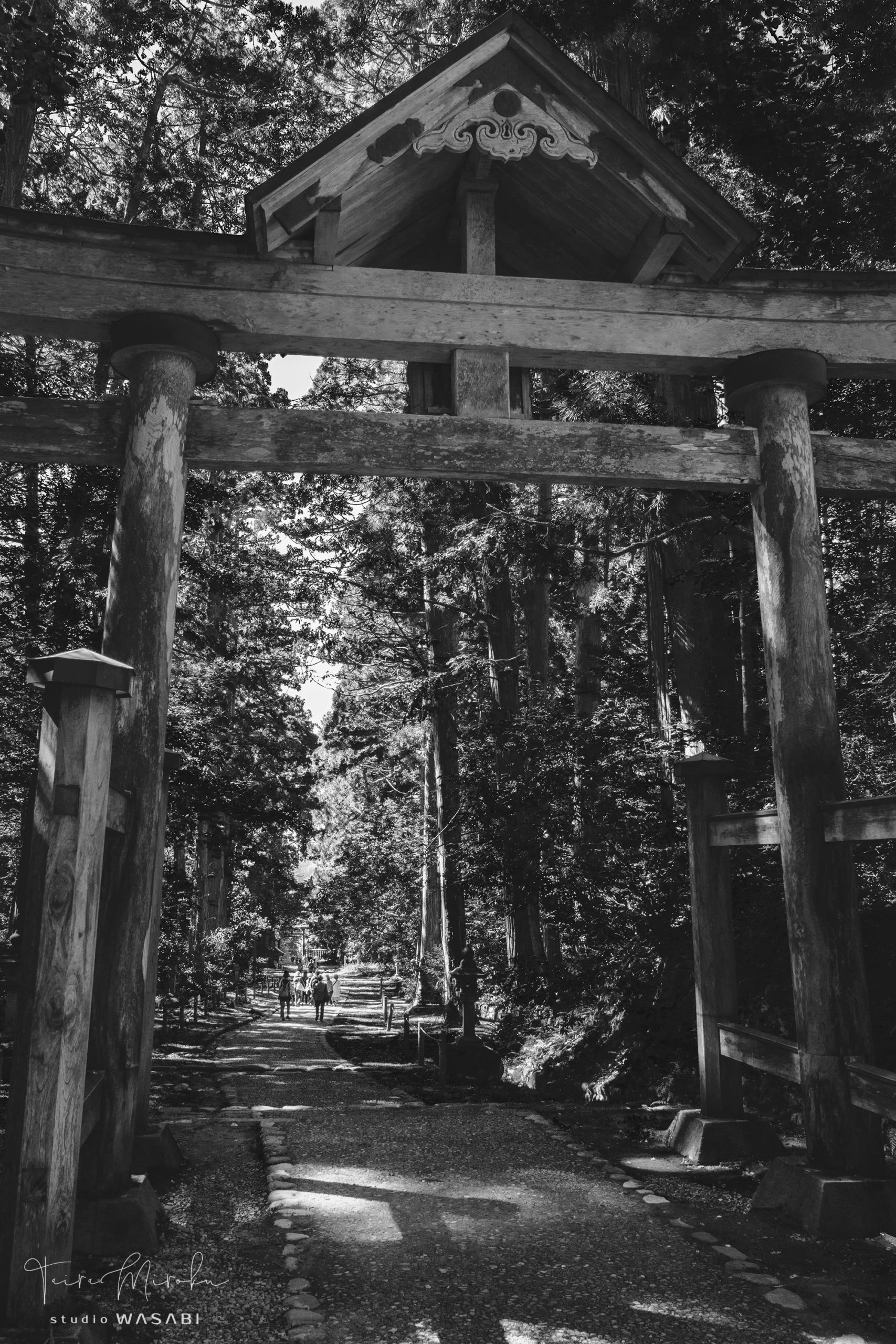
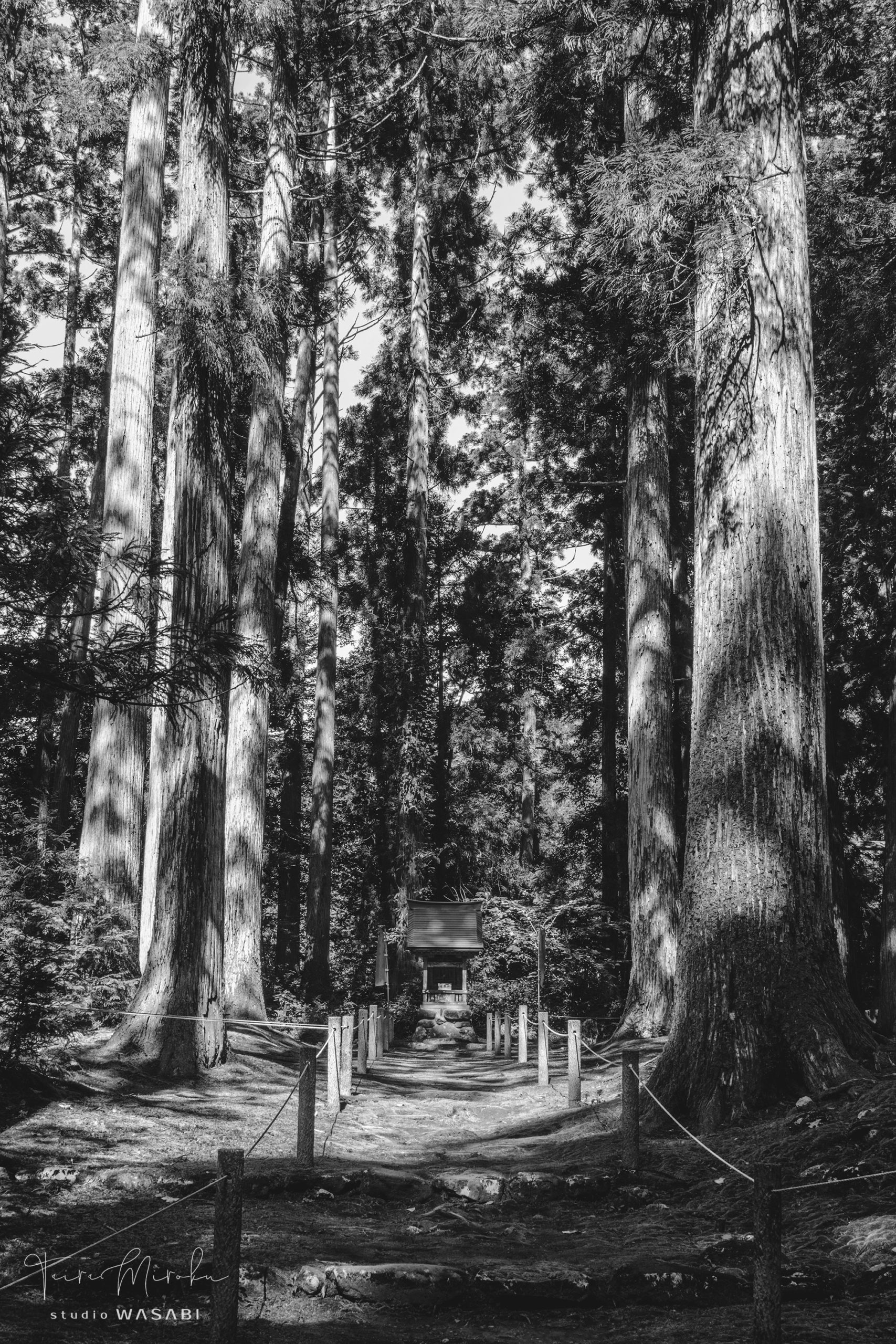
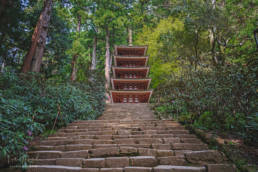
The approach to the shrine is tranquil, surrounded on both sides by rows of cedar trees. When you visit, the breeze blowing through the trees is pleasant, and the scent of the forest is in the air. Moss-covered stone pavements cover your feet, reminding you of the weight of history. Visitors are greeted by fresh greenery in spring and autumn leaves in fall, and especially in winter, when the snowy landscape is enveloped in a silvery white silence.
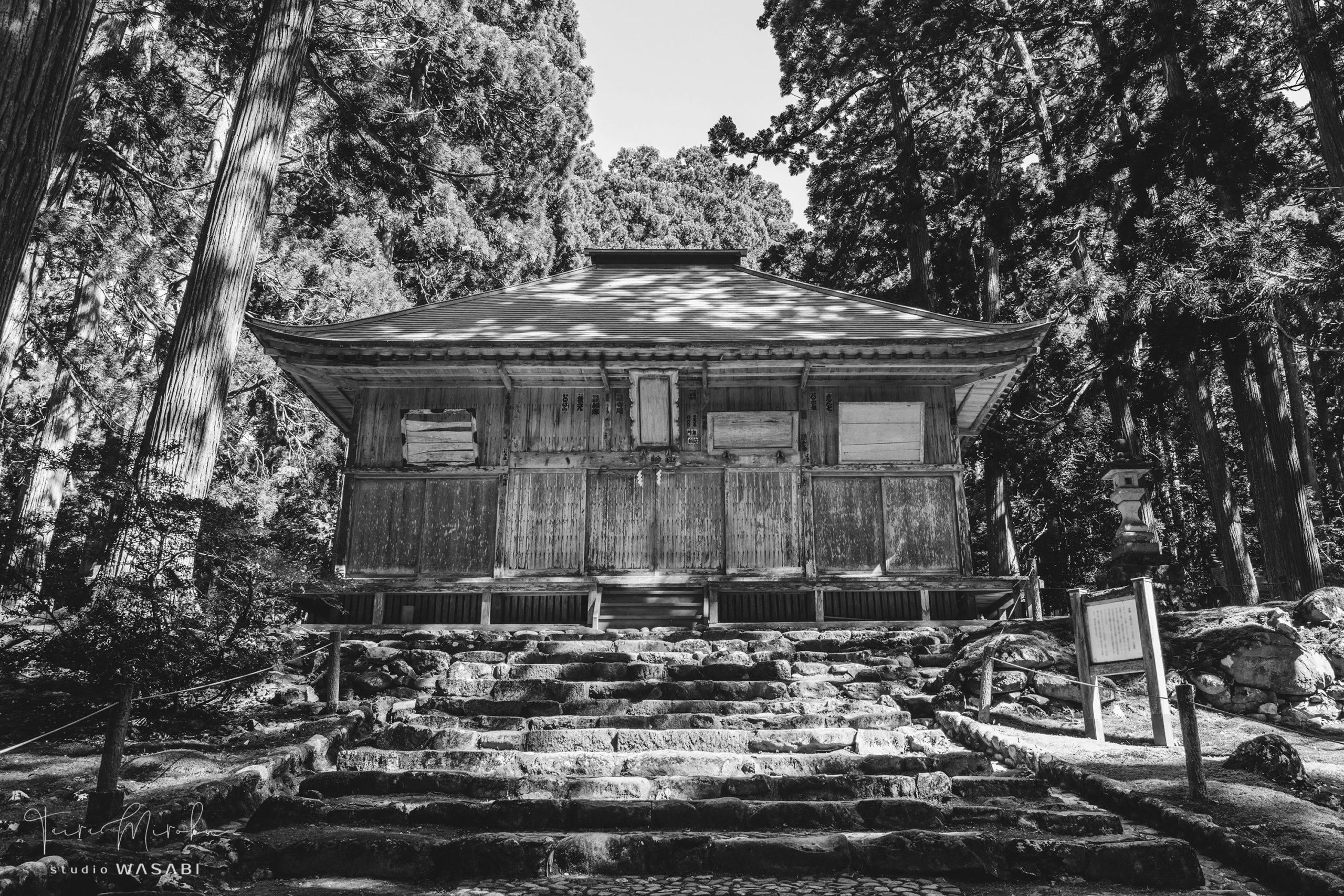
The shrine pavilion is simple but dignified, with exquisite carvings as its distinctive feature. The Hakusan mountain range rises up behind the shrine, creating a landscape where nature and faith are one.
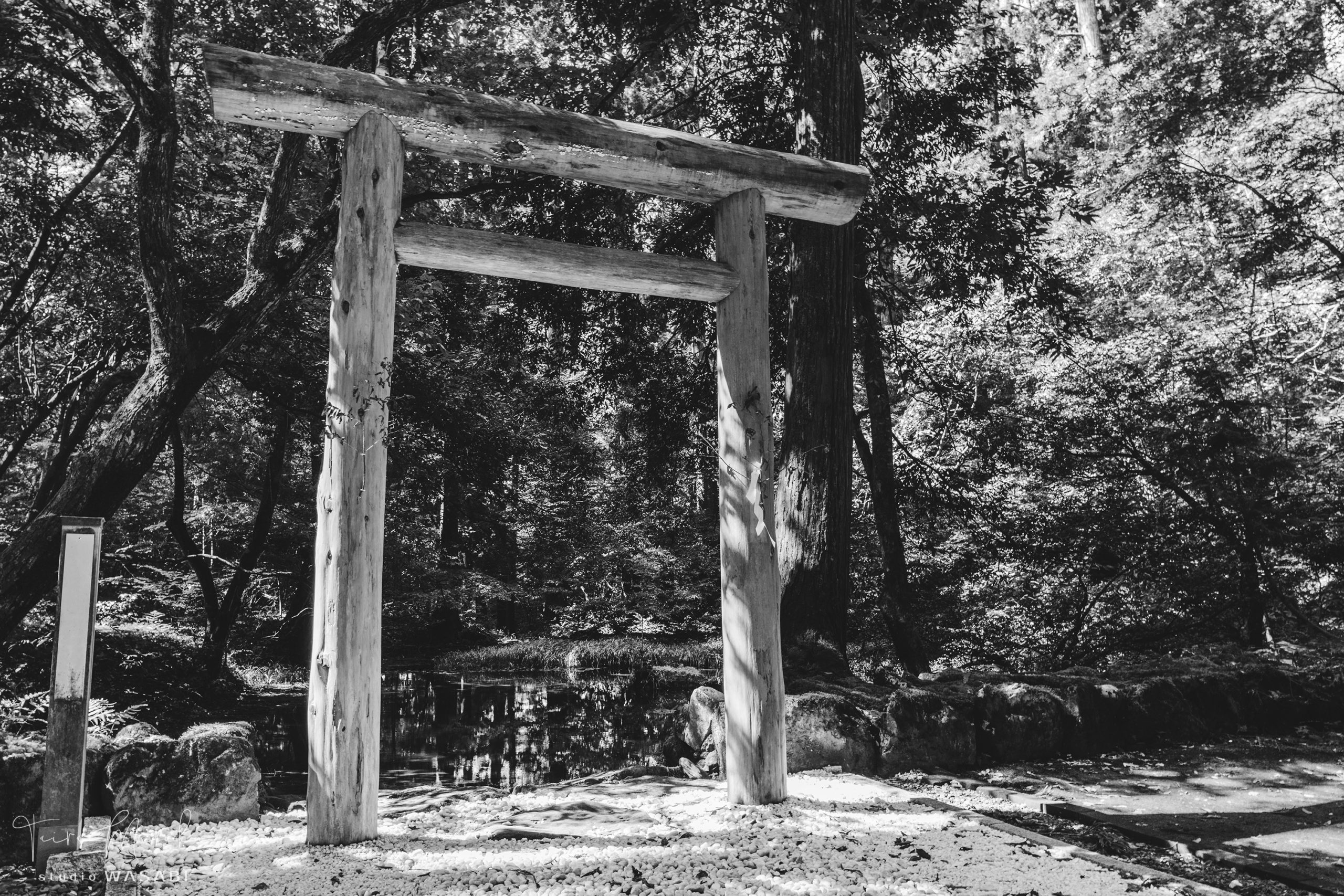
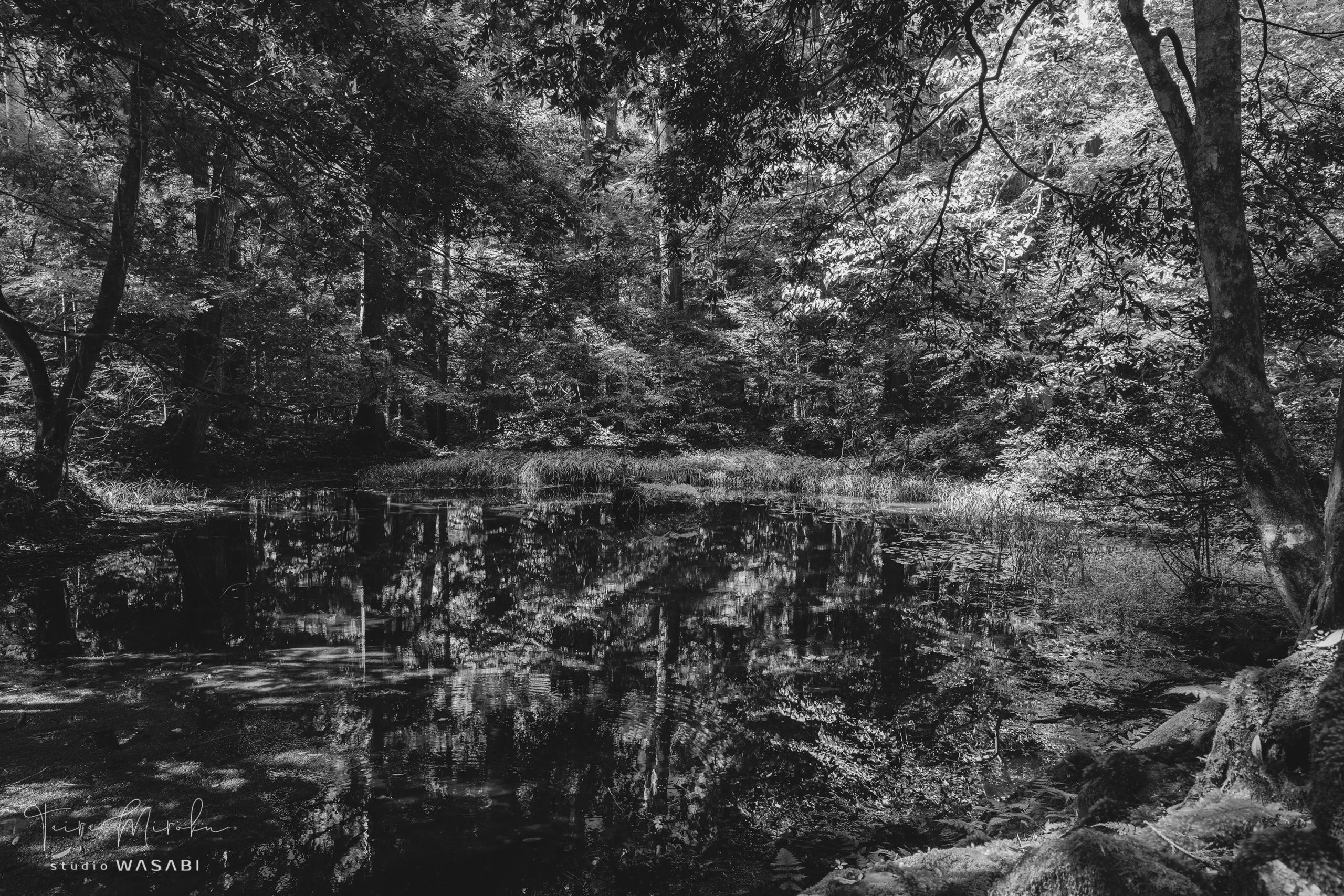
Within the shrine grounds is a large, several-hundred-year-old tree that is revered as a sacred tree, and its grandeur is overwhelming. In addition, there is a spring nearby that is said to flow from the Hakusan Mountains, and many people visit the shrine to drink this pure water.
Hakusan Shrine has a different appearance each season, and is a symbol of faith that coexists with nature. One cannot help but feel a sense of reverence for nature and the gods in the quiet moments.